The Sleeping Palace
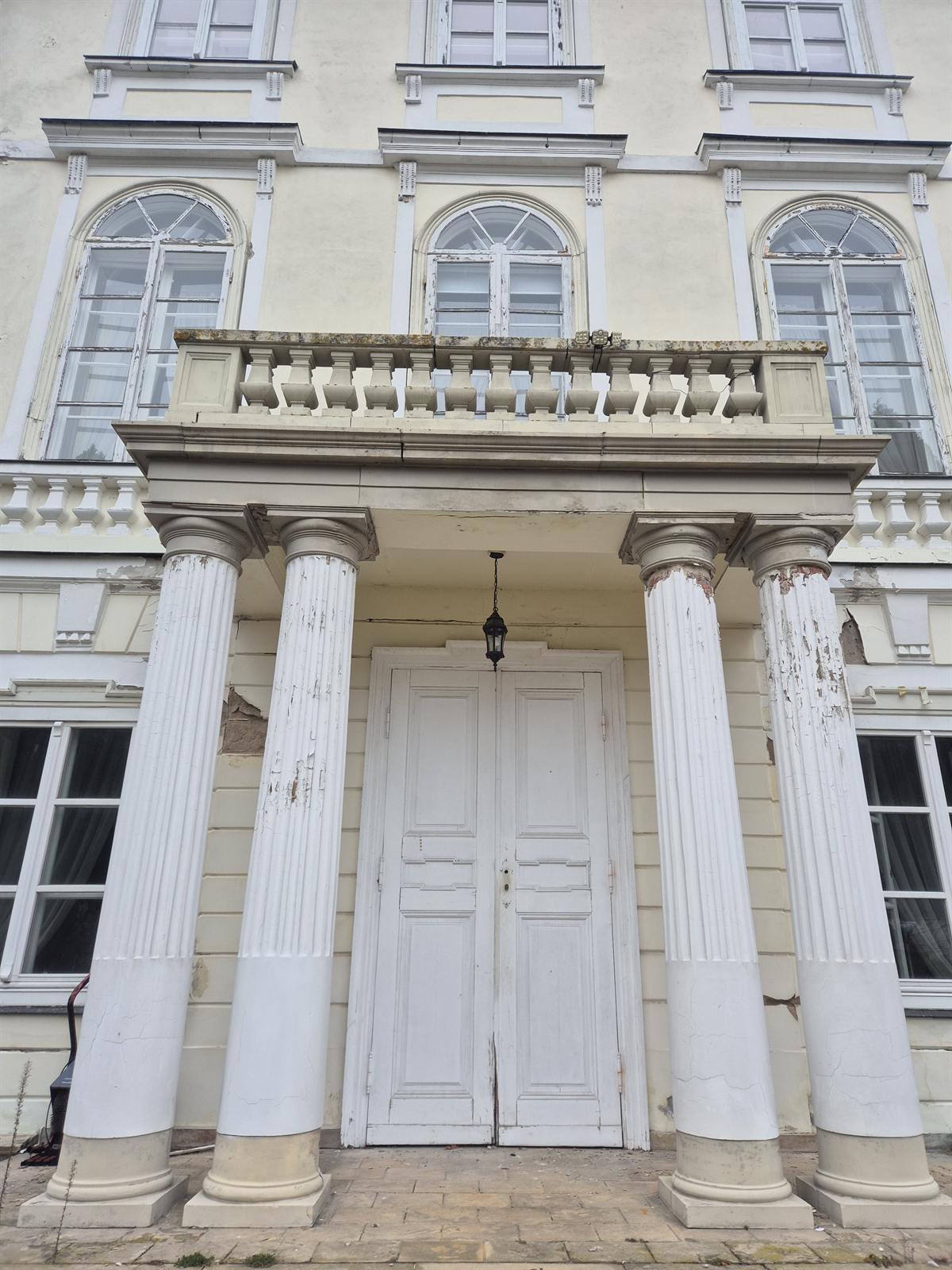
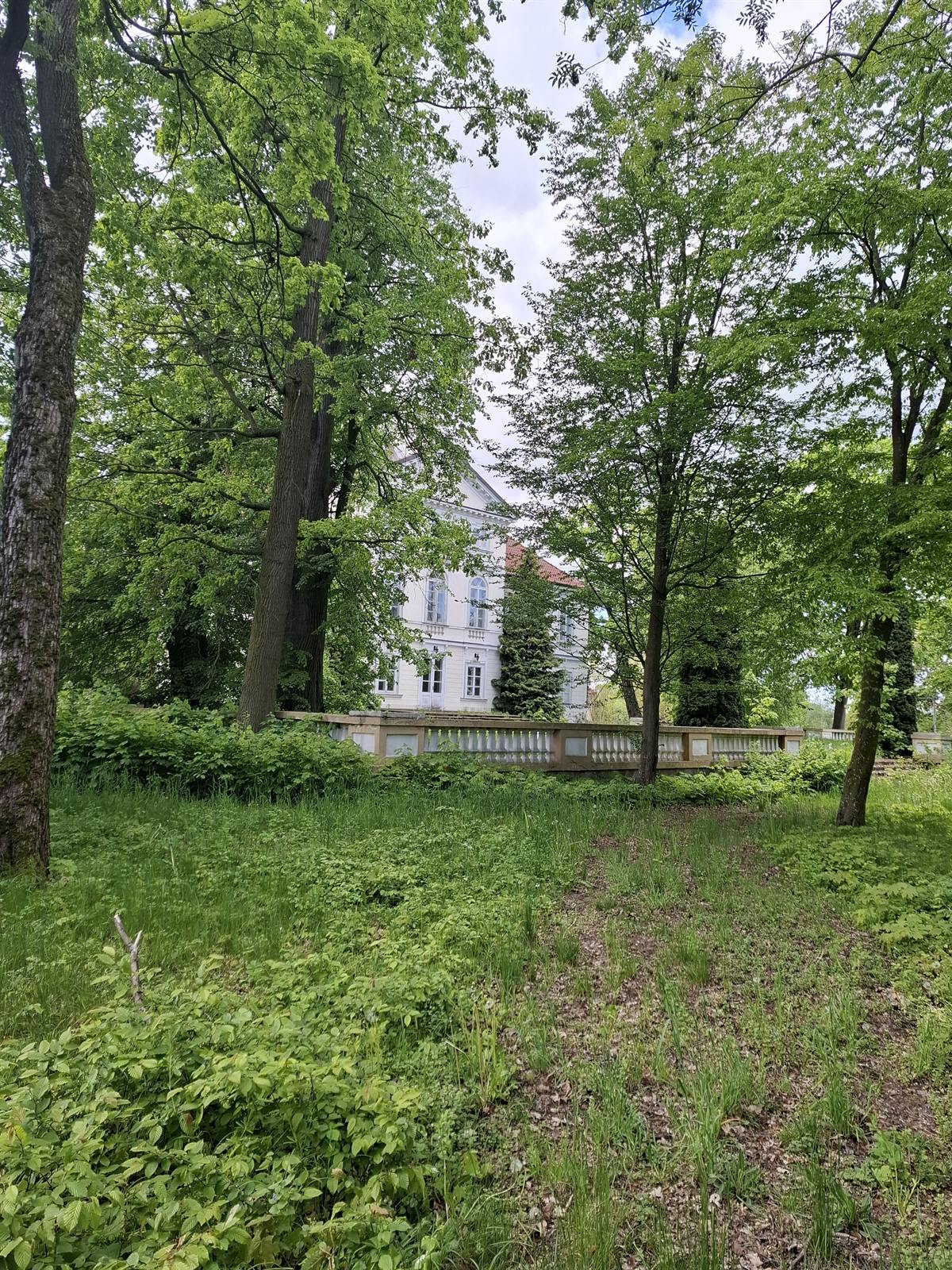
The Ossoliński Palace seen through the overgrown park

Sterdyń · Mazovia · since the 18th century

The Sleeping
Palace

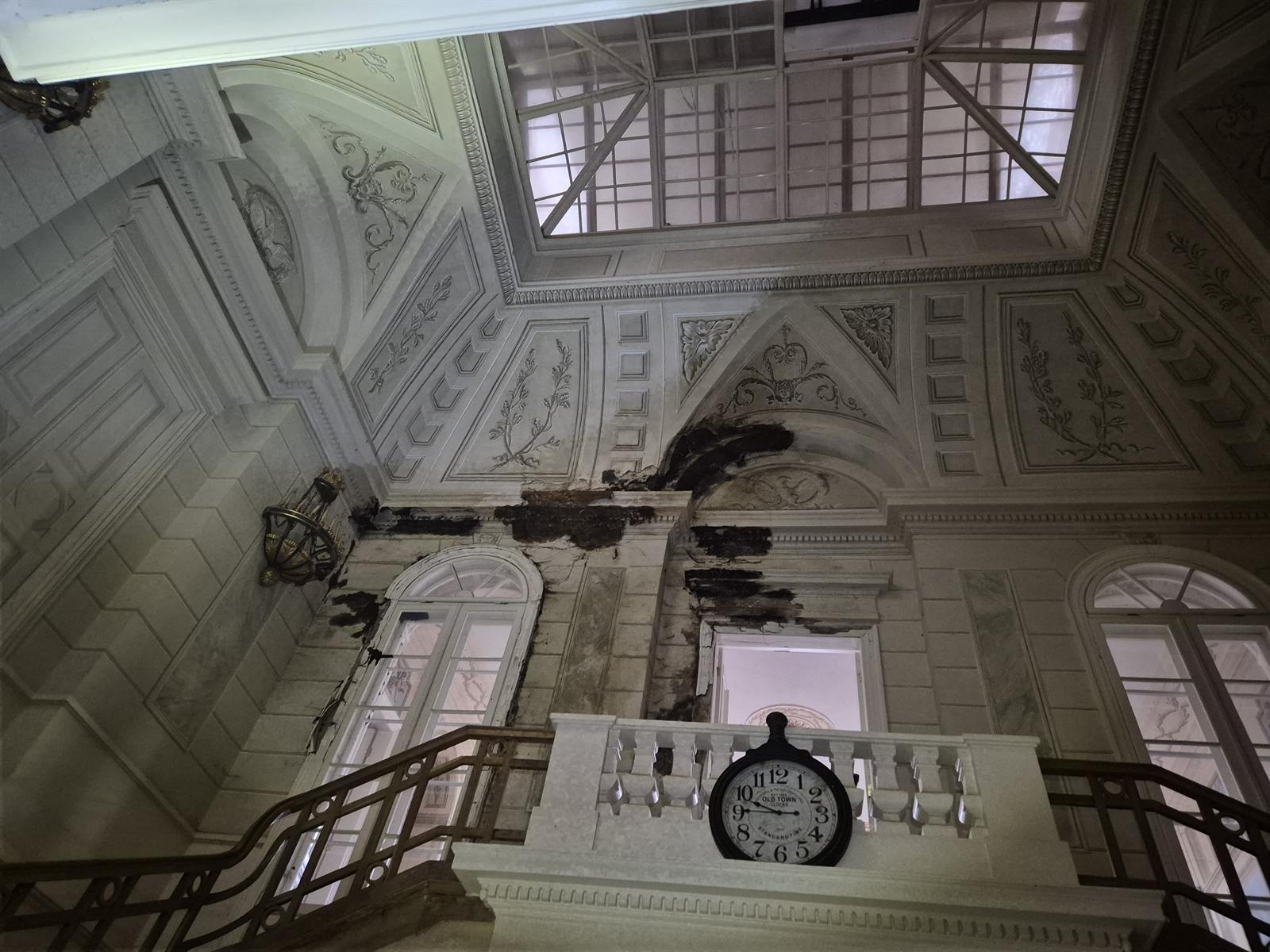
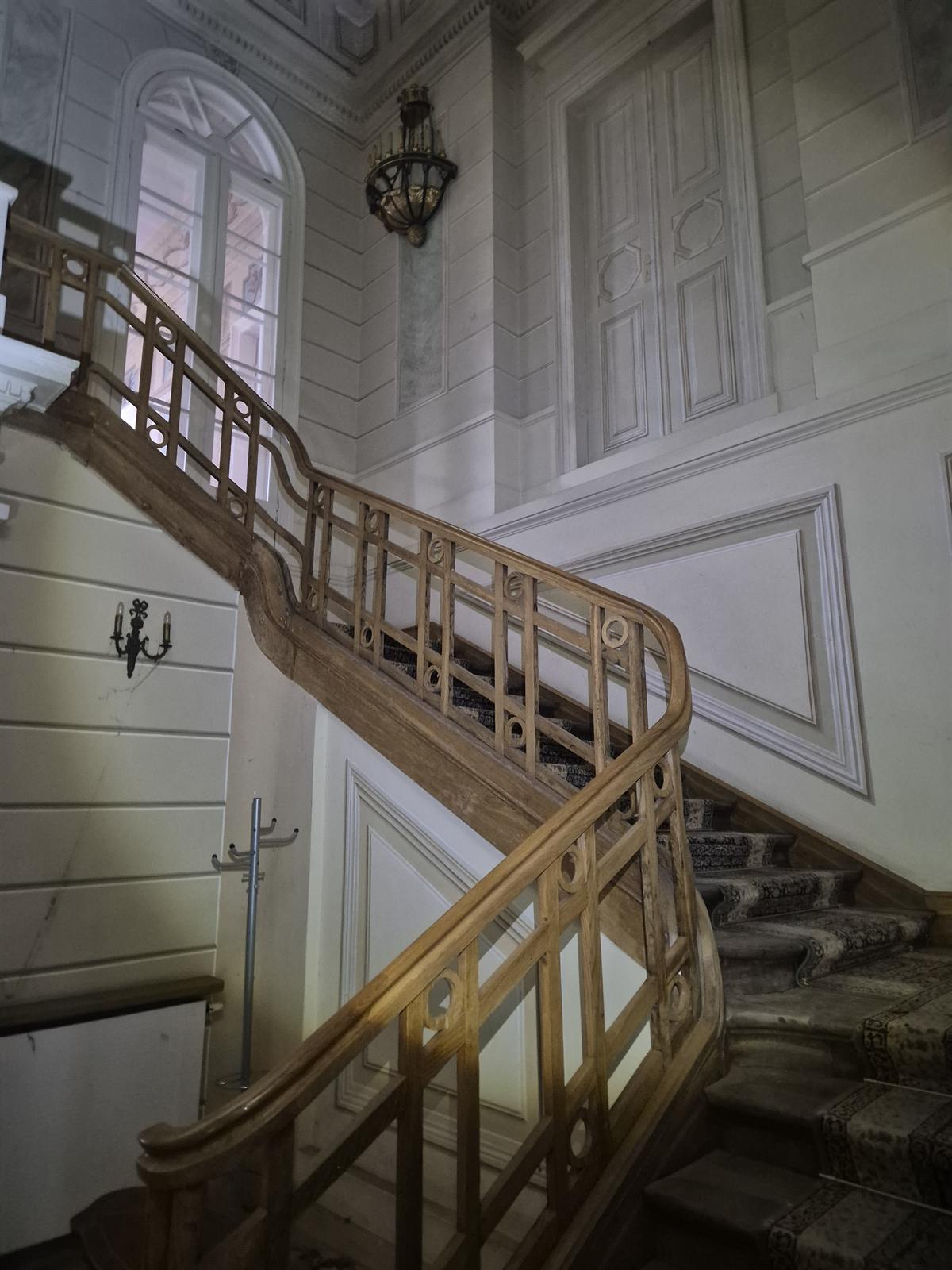
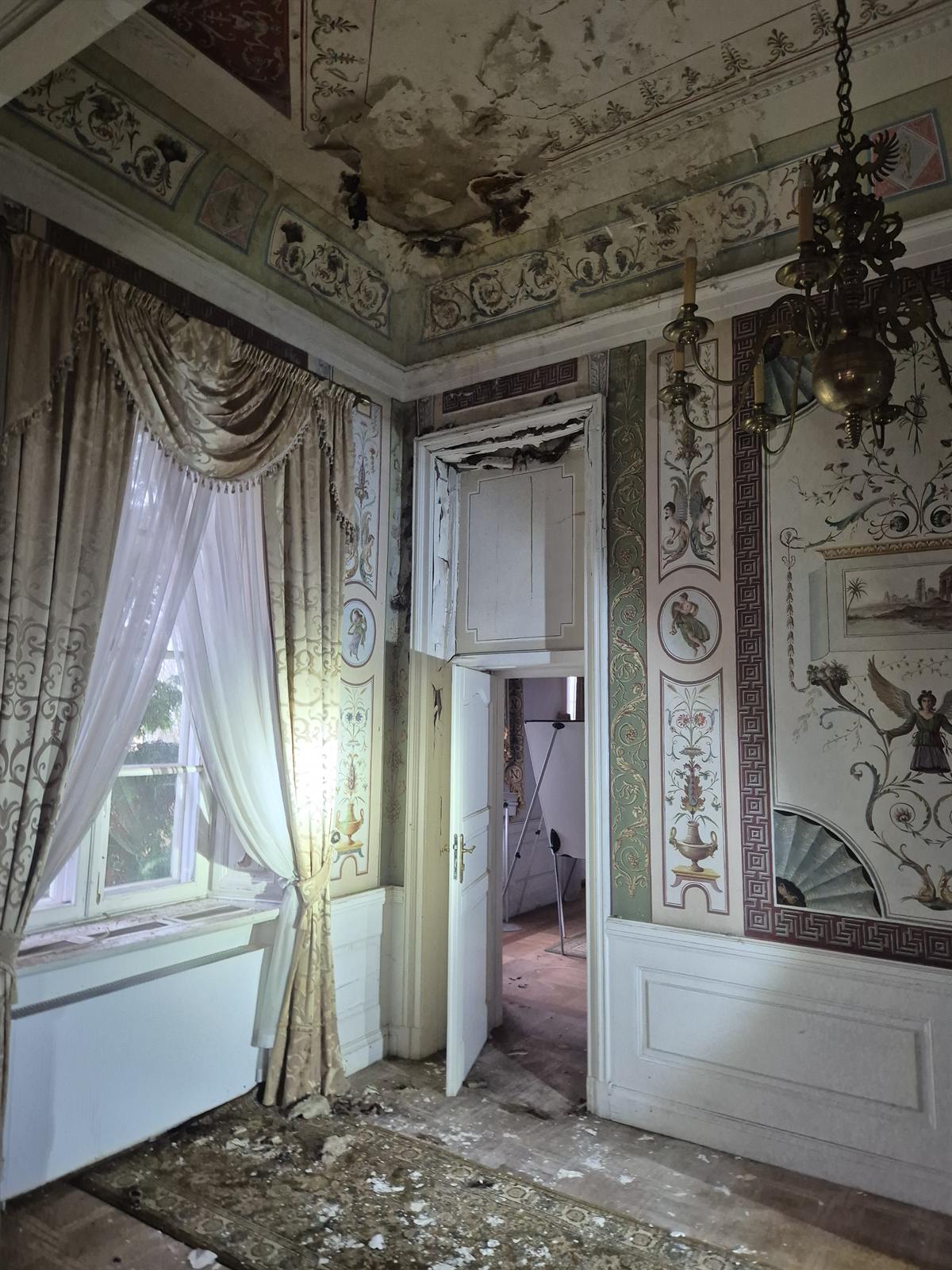
No one has switched on the lights here since 2019. The park is growing wild, dust settles in the drawing rooms, and the Ossoliński Palace waits for someone to wake it.

7years asleep

Palace

Awaiting a new owner at a bailiff's auction

First auction: 24 November 2026, 2:30 pm, the District Court in Sokołów Podlaski. Auction notice →

The heart of the hotel

The former estate workers' houses (czworaki), the granary and the steward's house are up for sale

A great hall for 350 guests and nearly 100 rooms right next to the palace. See the details →

November 2026 · how it looks today

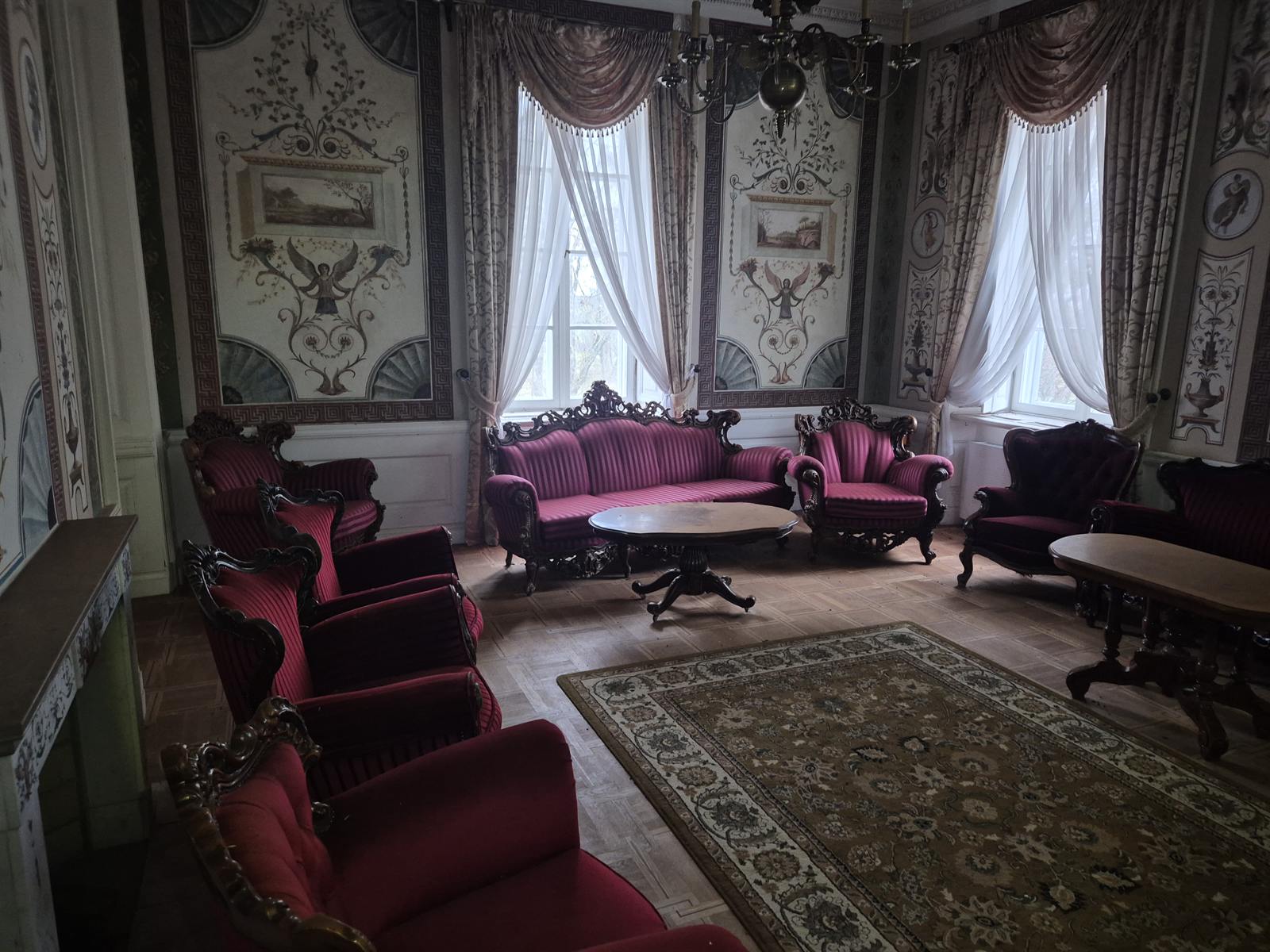
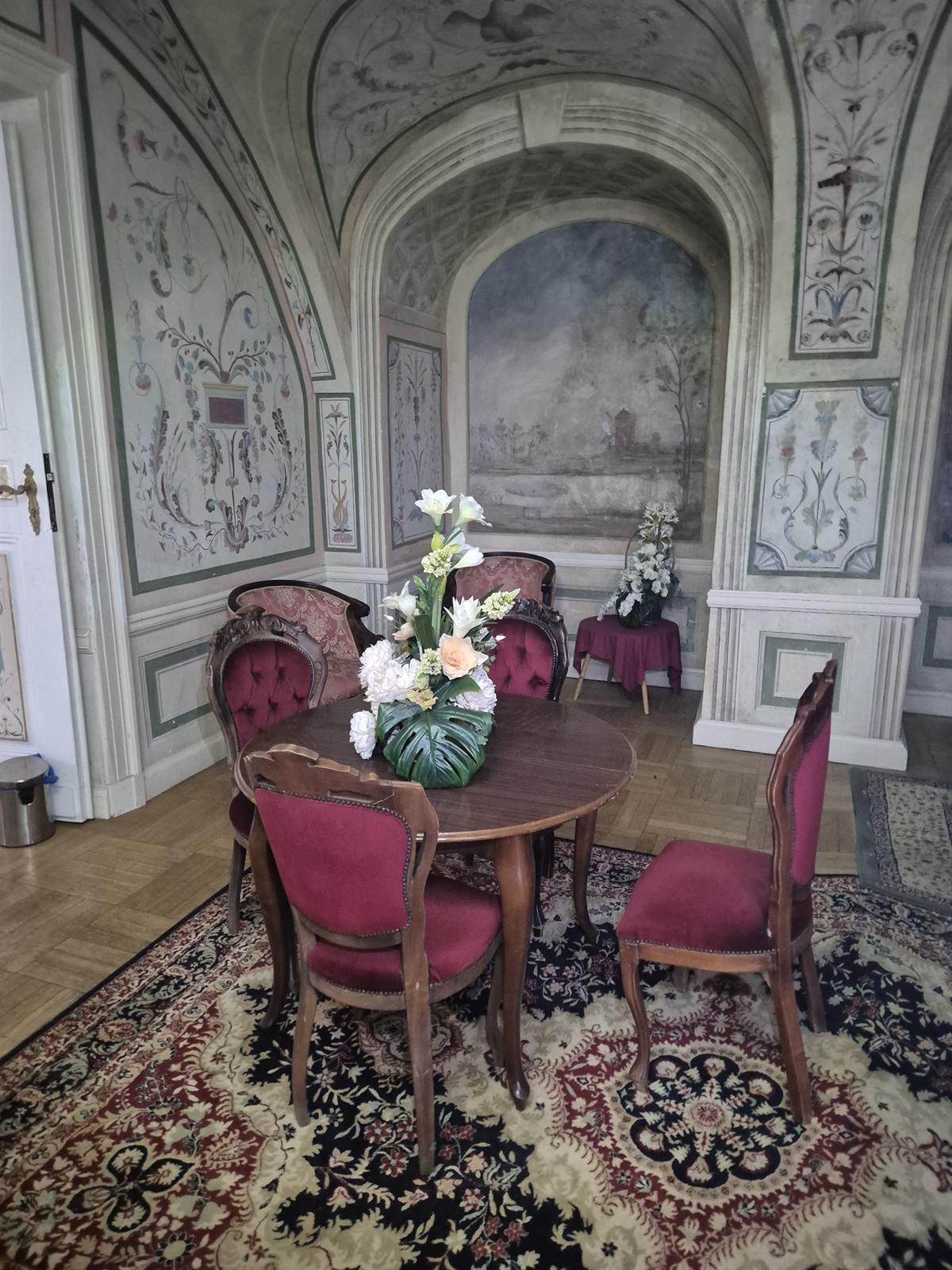
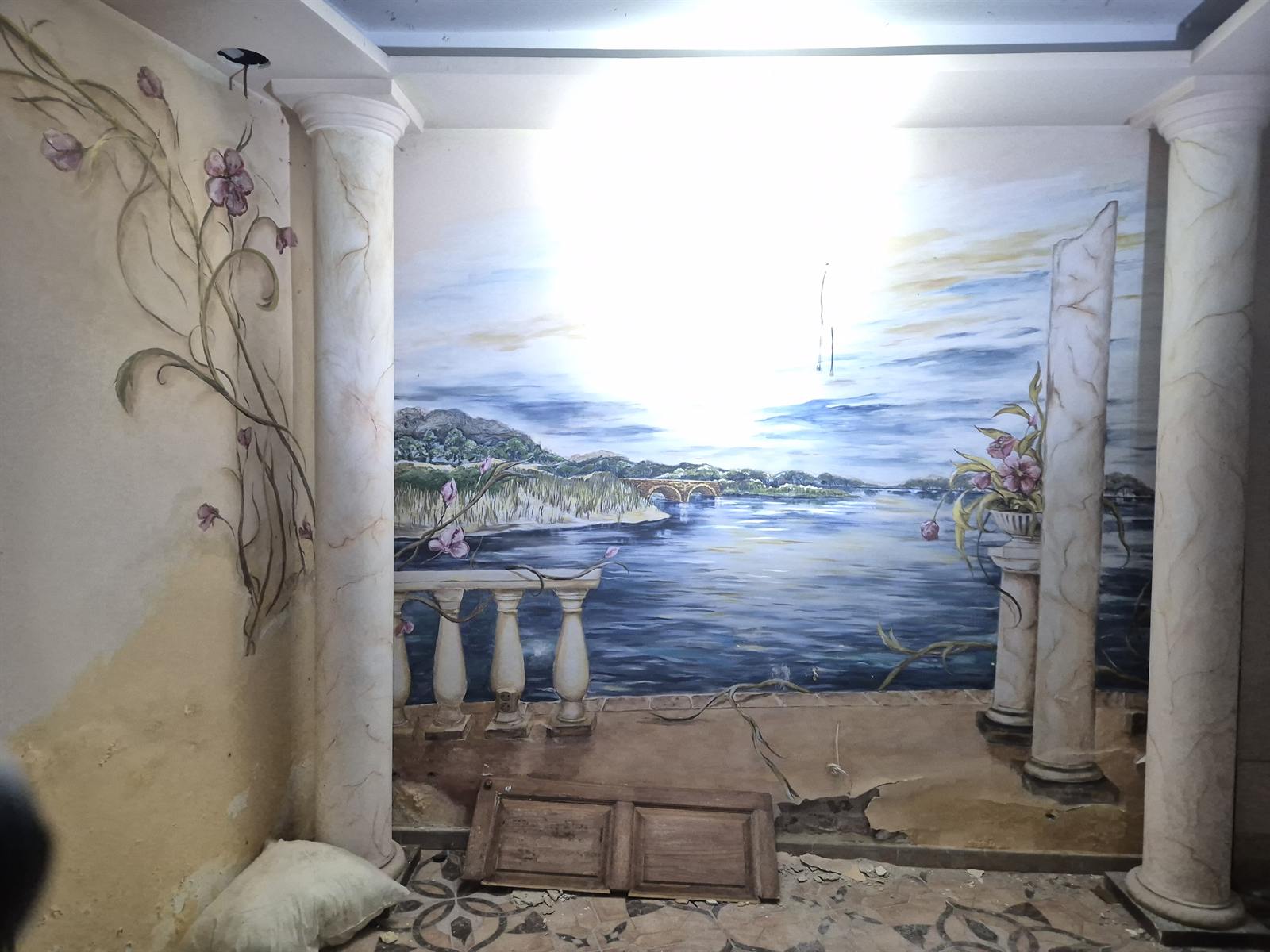
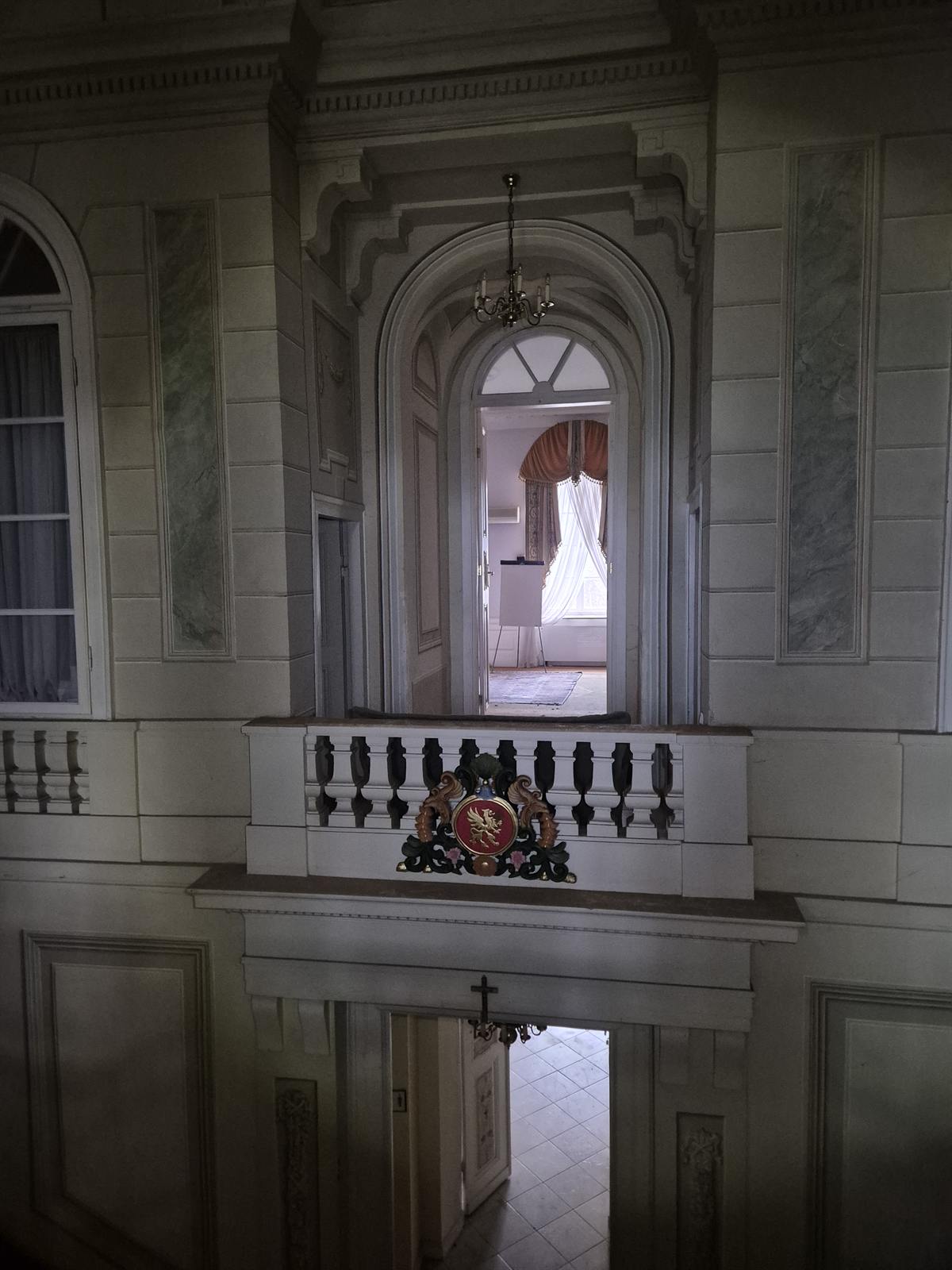
Sphinxes and griffins still keep watch on the walls. The painted walls still tell their stories. There is simply no one left to listen.

The legend of the Sleeping Palace

The light in the belvedere

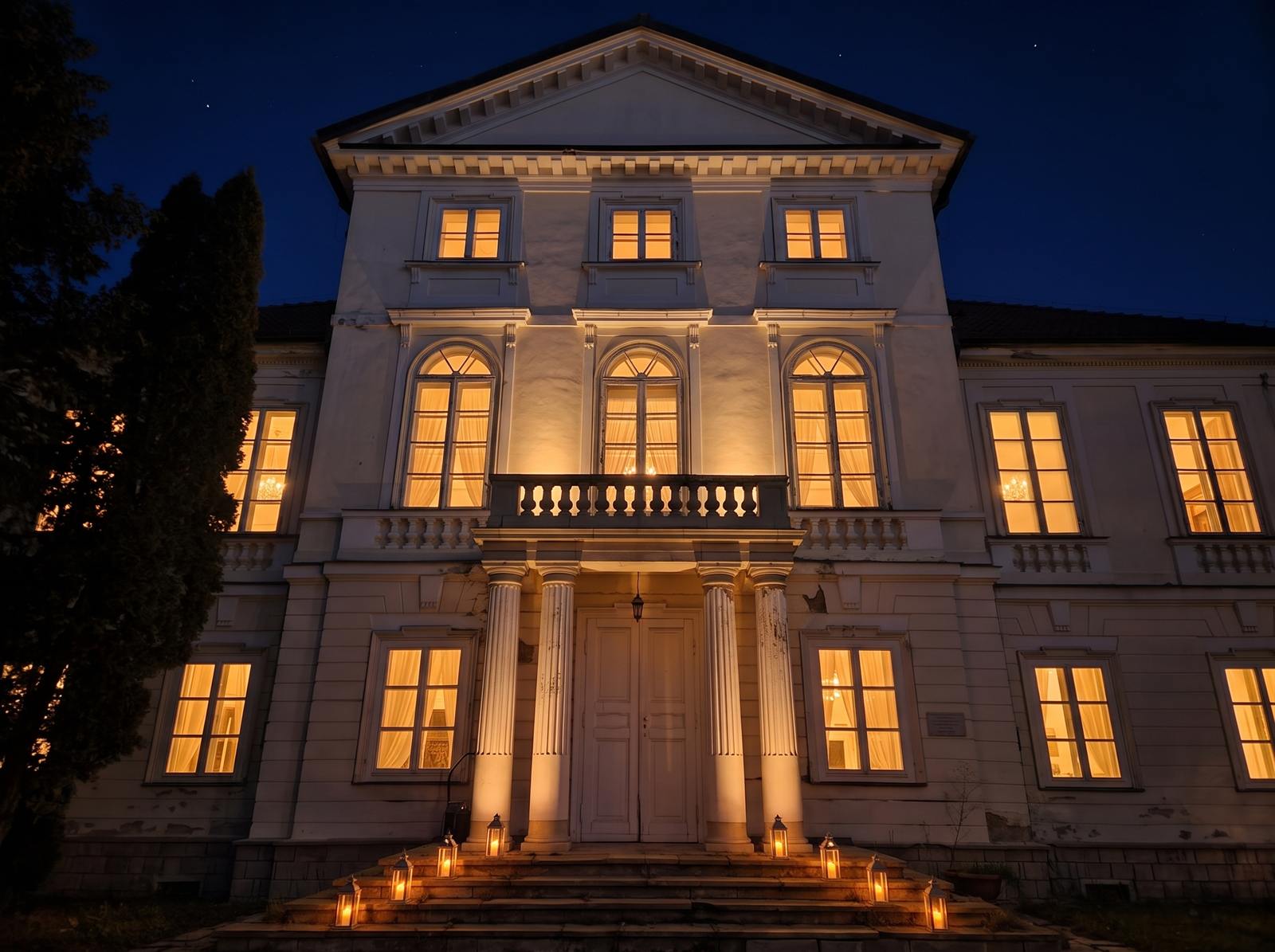
The palace at night, with lit windows and lanterns on the steps
visualisation

When Jakub Kubicki was rebuilding the palace for Stanisław Ossoliński, he added a tall belvedere to the roof. Perhaps so that the old bed of the Bug could be seen from above. But the legend tells a different story.

The belvedere had a single task: to shine. Whenever a ball was under way in the palace, whenever guests arrived, whenever a child was born or music played, a light was lit in the little window at the top. It could be seen from the fields, from the road and from beside the ponds. Anyone returning to Sterdyń by night knew they were nearly home when they saw that one warm point of light above the trees.

The light burned through wars, through changes of owner and through the years when the palace was nothing but a ruin. It burned when composers played here, and again when the weddings returned. In 2019 someone put out the lamps in the halls for the last time. The doors closed, and darkness fell over the park.

Since then the palace has slept. The sphinxes and griffins on the walls keep watch in the dark. The ponds are silting up, the lime trees keep on growing as if nothing had happened. And the belvedere waits.

They say the light will shine again only when someone comes who truly wants to wake the palace. Buying it is not enough. You have to want people to dance here once more.

In fairy tales, seven years is a good number for waking up.
Who will light the lamp?

History

A palace rebuilt by the architect of the Belweder

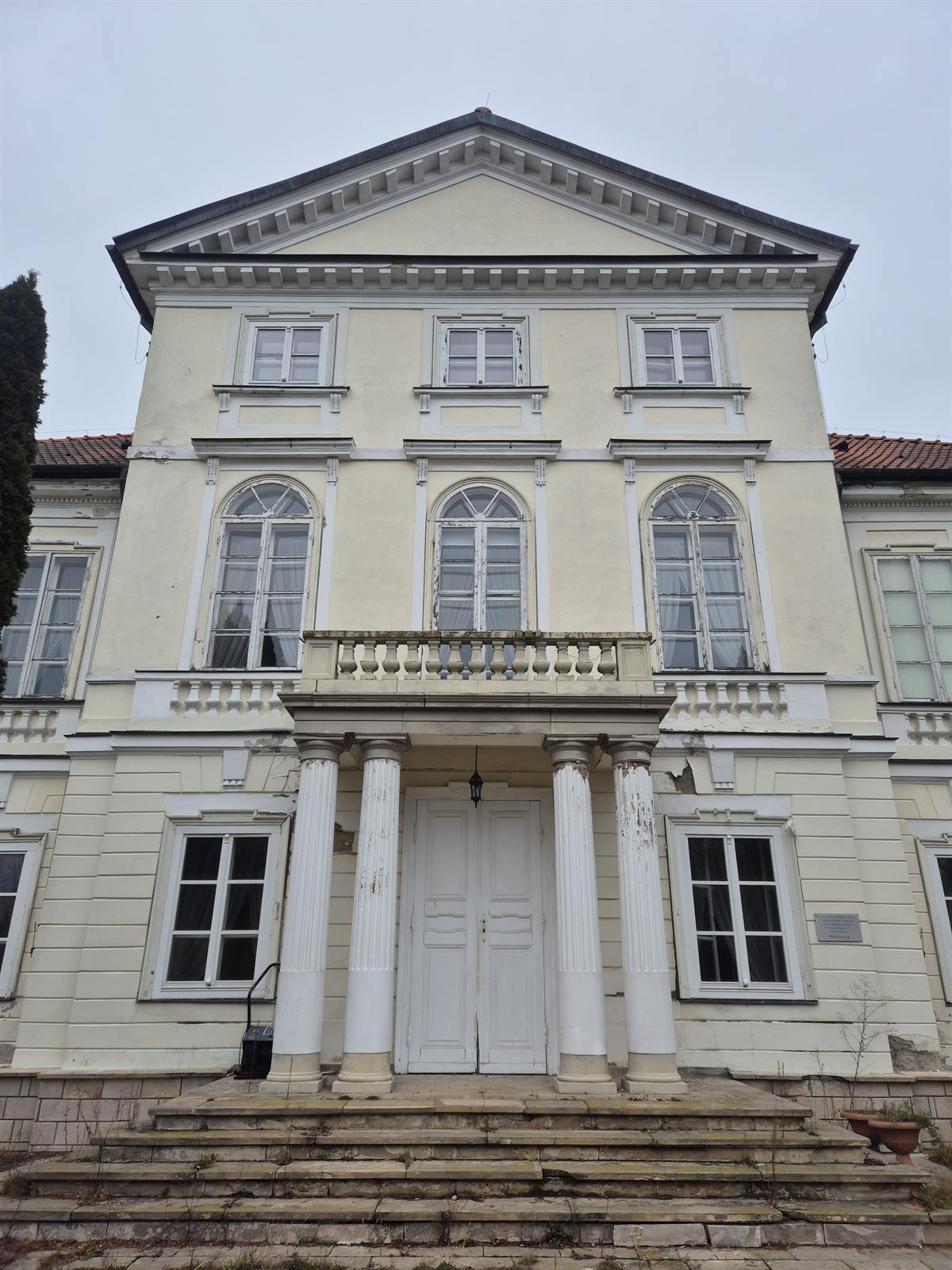
At the turn of the 19th century the Baroque residence was transformed by Jakub Kubicki, the same architect who later rebuilt the Belweder Palace in Warsaw.

The palace façade with its columned portico
  1. c. 1770

    A Baroque residence

    A palace with two outbuildings is built, facing south, between a courtyard and a garden.

  2. 1797–1806

    The Ossolińskis and Kubicki

    Commissioned by Stanisław Ossoliński, Jakub Kubicki adds a portico, a tall belvedere and side pavilions built on the plan of a circular segment. Art historians see here the influence of Dominik Merlini, the builder of Łazienki.

  3. 1809

    A wedding

    Emilia Ossolińska marries Józef Wawrzyniec Krasiński. The Sterdyń estate passes to the Krasiński family.

  4. mid-19th c.

    An English park

    A landscape park with ponds and old trees is laid out around the palace. The walls of the rooms are decorated with paintings of sphinxes and griffins, attributed to Adam Byczkowski.

  5. after 1944

    A school, a clinic, a maternity ward

    The palace is devastated, but it serves the local people: it houses a secondary school, a health centre and a maternity ward. Renovation begins in the 1980s.

  6. 1983

    Entered in the register of historic monuments

    The palace, two outbuildings, the steward's house, the storehouse and the landscape park are entered in the register under number A-348.

  7. until 1994

    A home for composers

    The owner is the Polish Composers' Union, and from 1994 to 1996 the Association of Cultural Animators.

  8. 1996–2001

    Restoration

    The new owners restore the complex under the supervision of the heritage conservator. A hotel opens with function rooms, a restaurant and a spa. In 2014 the palace receives the ‘Rescued Historic Monuments in Poland’ certificate.

  9. 2019

    It falls asleep

    The hotel closes. Since then the palace has stood empty.

True stories

This palace remembers more than any chronicle

Three stories about the people of Sterdyń.

1809 · a wedding

Emilia and Józef

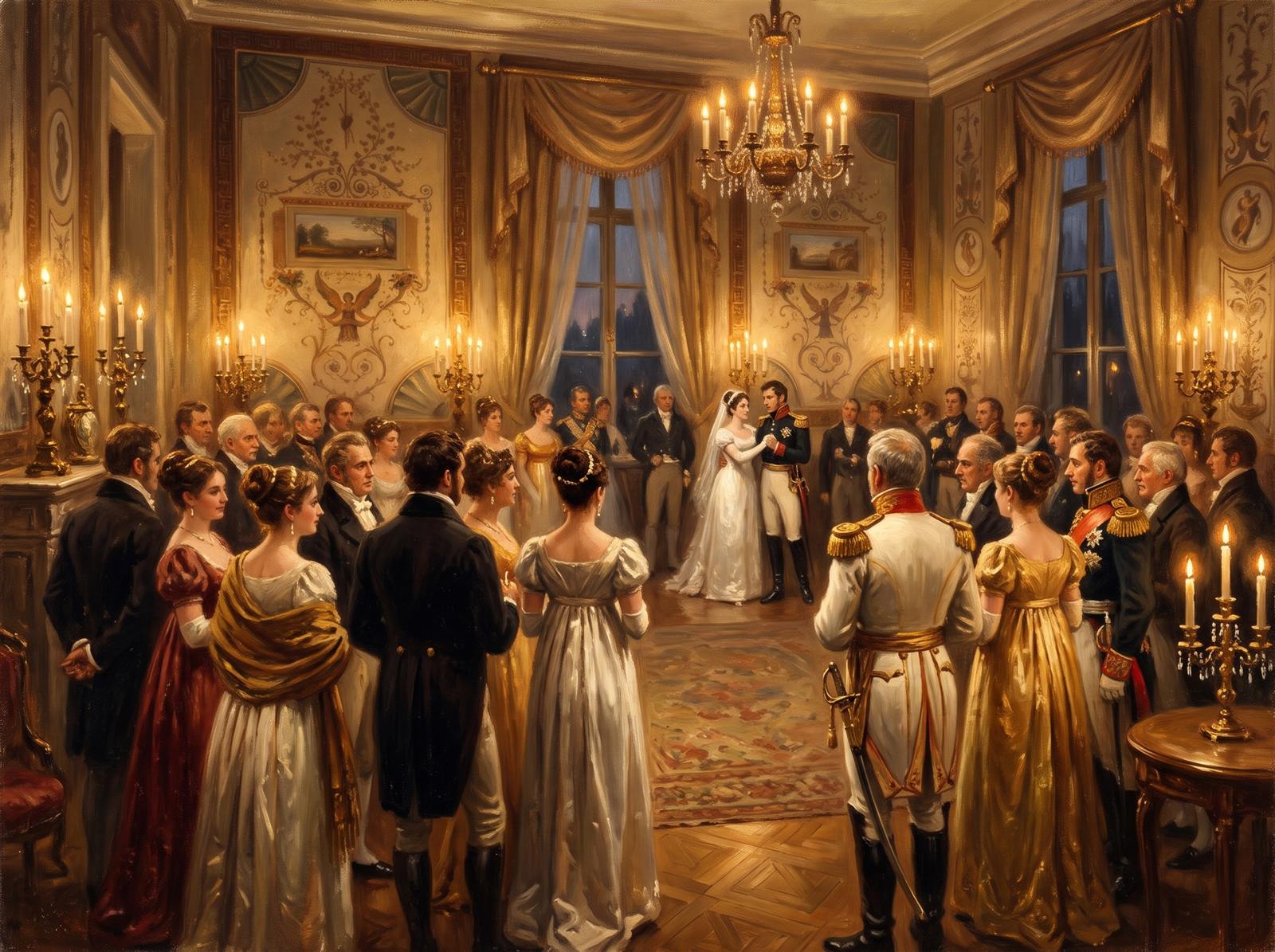
A painterly scene of a period wedding in a drawing room with painted walls, by candlelight
visualisation

Candles in the candelabra, violins and the scent of wax. The young Ossolińska marries and closes a chapter: from this day on, Sterdyń will belong to the Krasińskis.

What we know: in 1809 Emilia Ossolińska married Józef Wawrzyniec Krasiński, and the Sterdyń estate passed to the Krasiński family.

Source: DIPP database

after 1944 · maternity ward

Born in the palace

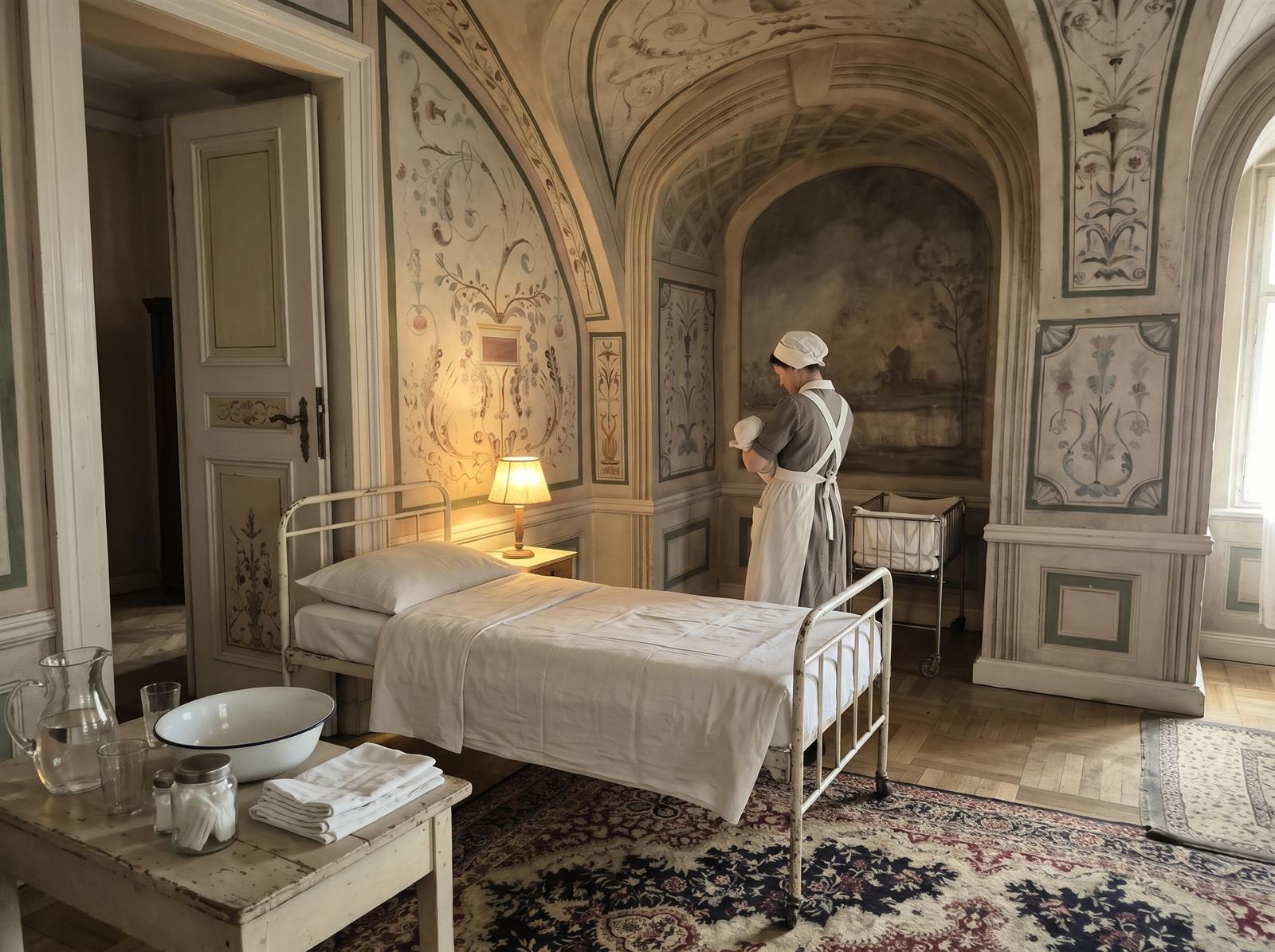
A winter night, a corridor lit by a single lamp and a baby's first cry beneath a painted ceiling. The identity card simply says ‘Sterdyń’, but in the family they say: he was born in the palace.

A midwife holding a newborn in a room with painted walls, beside a metal bed and a lamp
visualisation

What we know: after the war the palace housed a secondary school, a health centre and a maternity ward. Many local people give the palace as their place of birth.

Were you born in the palace? Did you go to school here? Tell us your story, we are collecting memories and photographs.

Source: Trips over Poland

local tale

The stone with the footprints

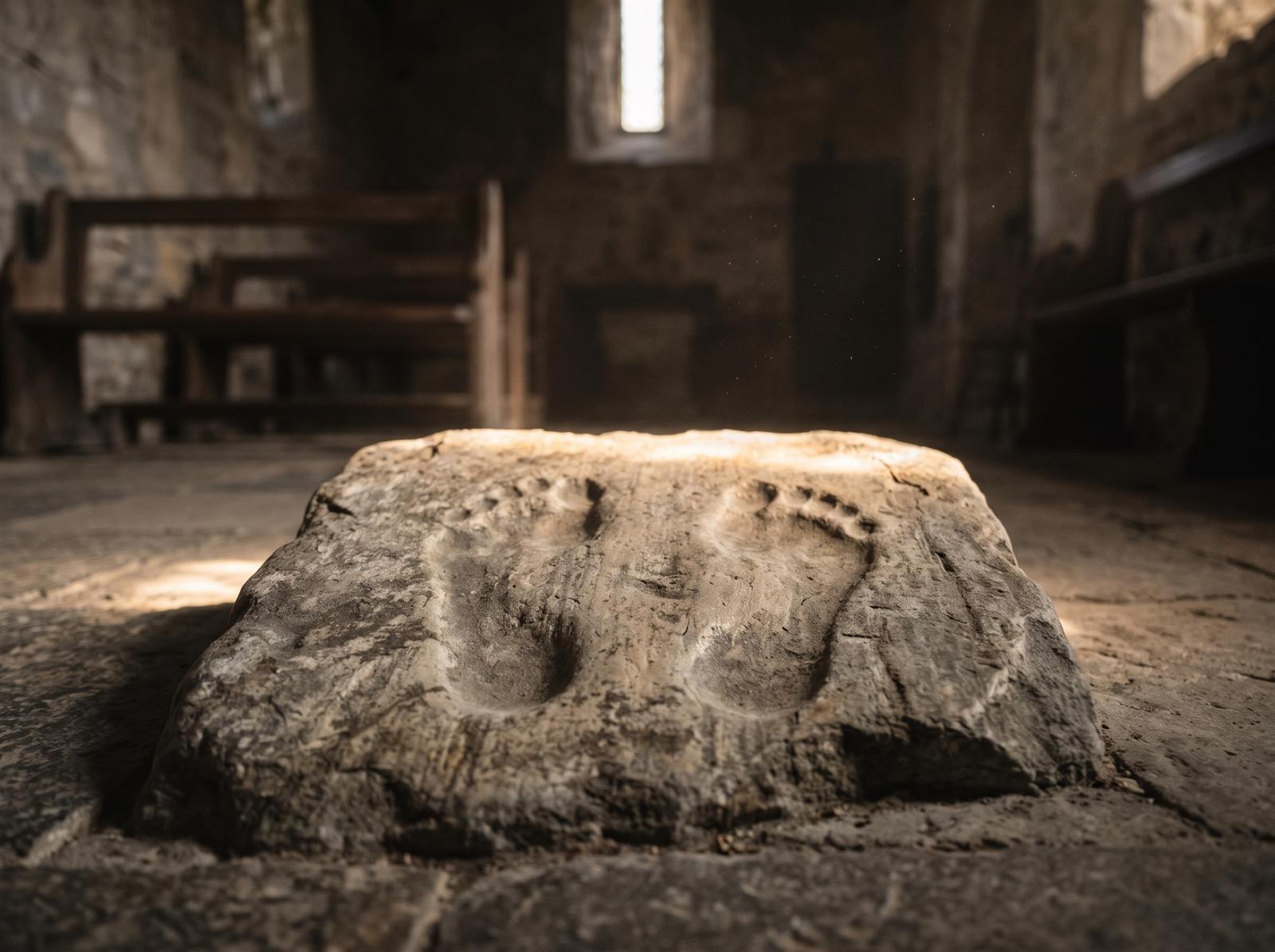
In the church in Sterdyń lies a stone bearing the marks of feet. Who stood on it, and why did the stone remember?

An old stone bearing imprinted footprints, in a shaft of light in the half-dark of a church
visualisation

What we know: this is a tale told by the people of Sterdyń. We have not yet found it in any written source.

Do you know this story? Write and tell us how you heard it. We want to write it down before it fades.

What was here

A palace full of guests

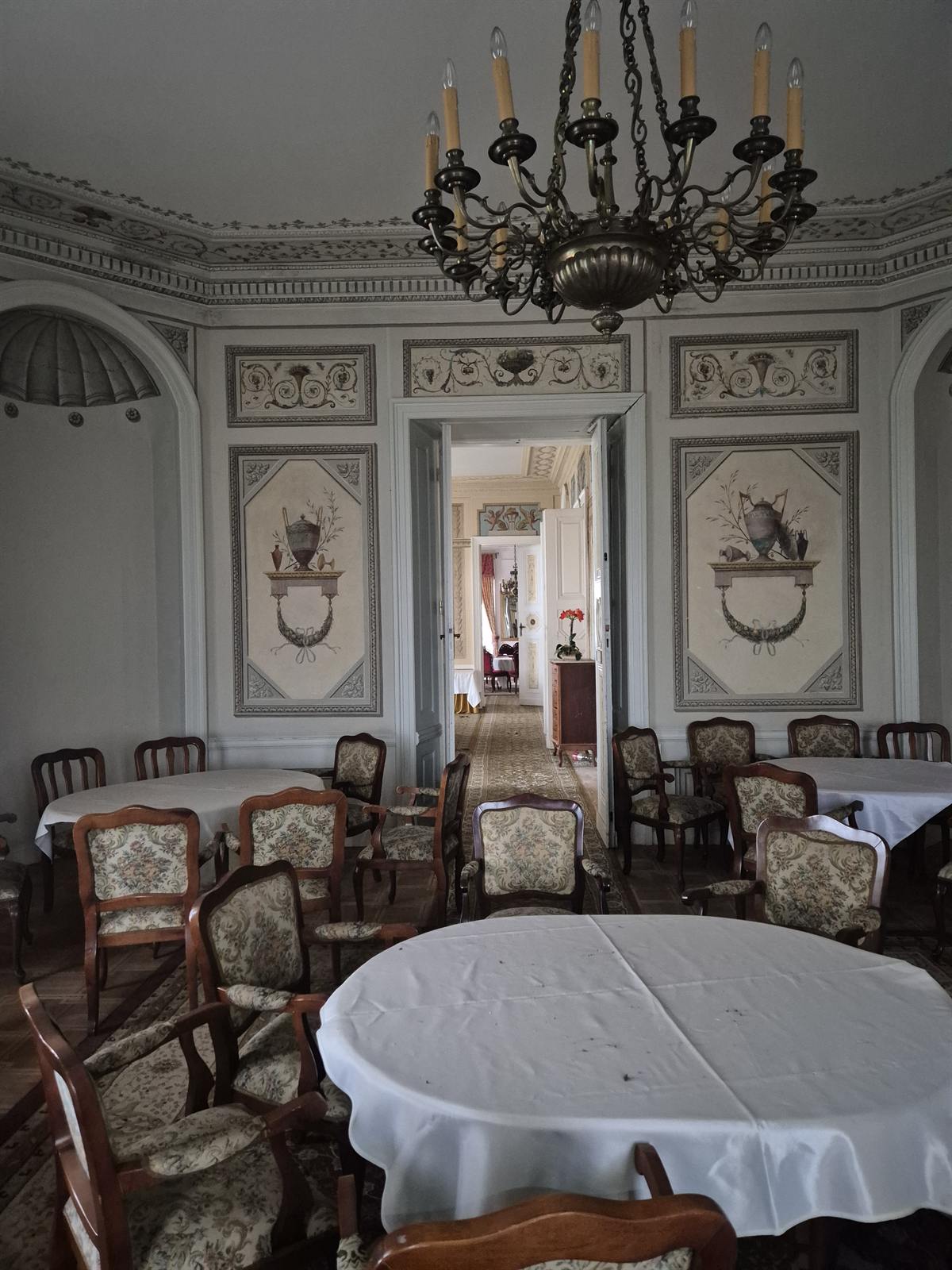
Until 2019 this was a hotel with banqueting and conference rooms, a restaurant and a spa.

12hectares of parkland with ponds and old trees
135rooms across the whole complex
350guests in the Crystal Hall
390guests in the Banqueting Hall
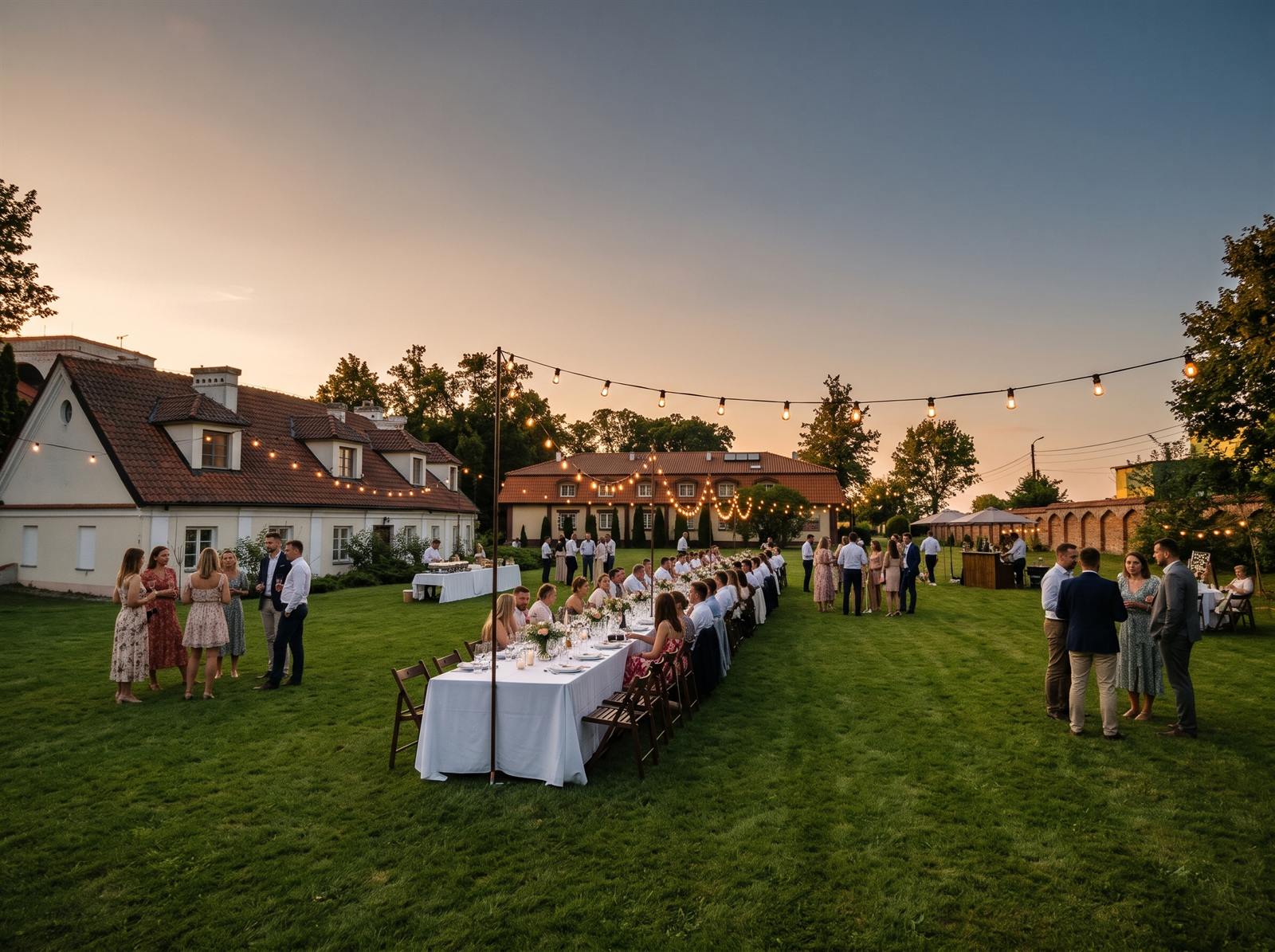
A summer wedding reception in the courtyard, a long table beneath strings of festoon lights
visualisation · a reception in the courtyard
The palace at night, with lit windows and lanterns on the steps
visualisation · the palace at night

Awakening

The first wedding we know of was in 1809. When will the next one be?

Slide to switch on the lights.

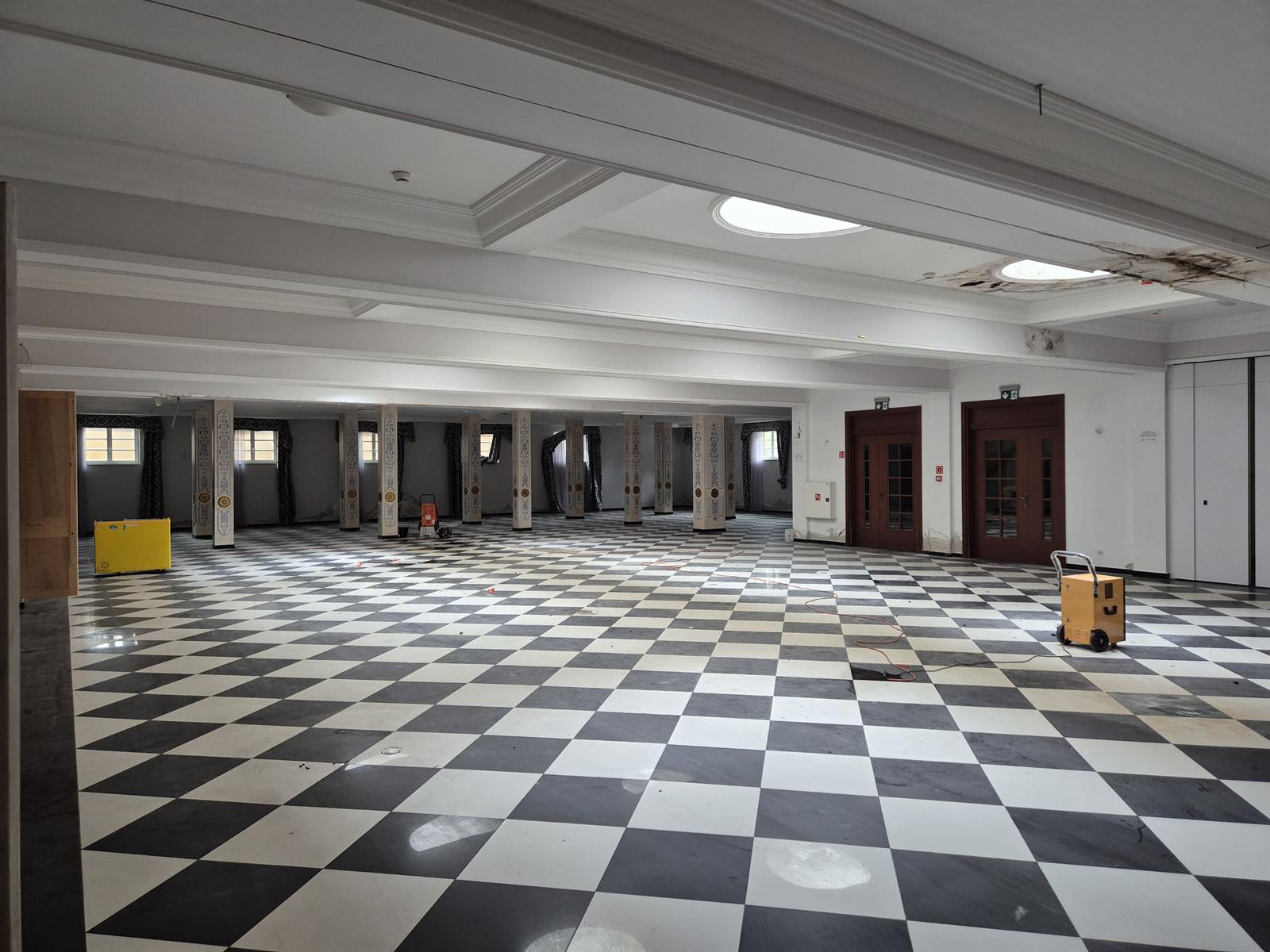
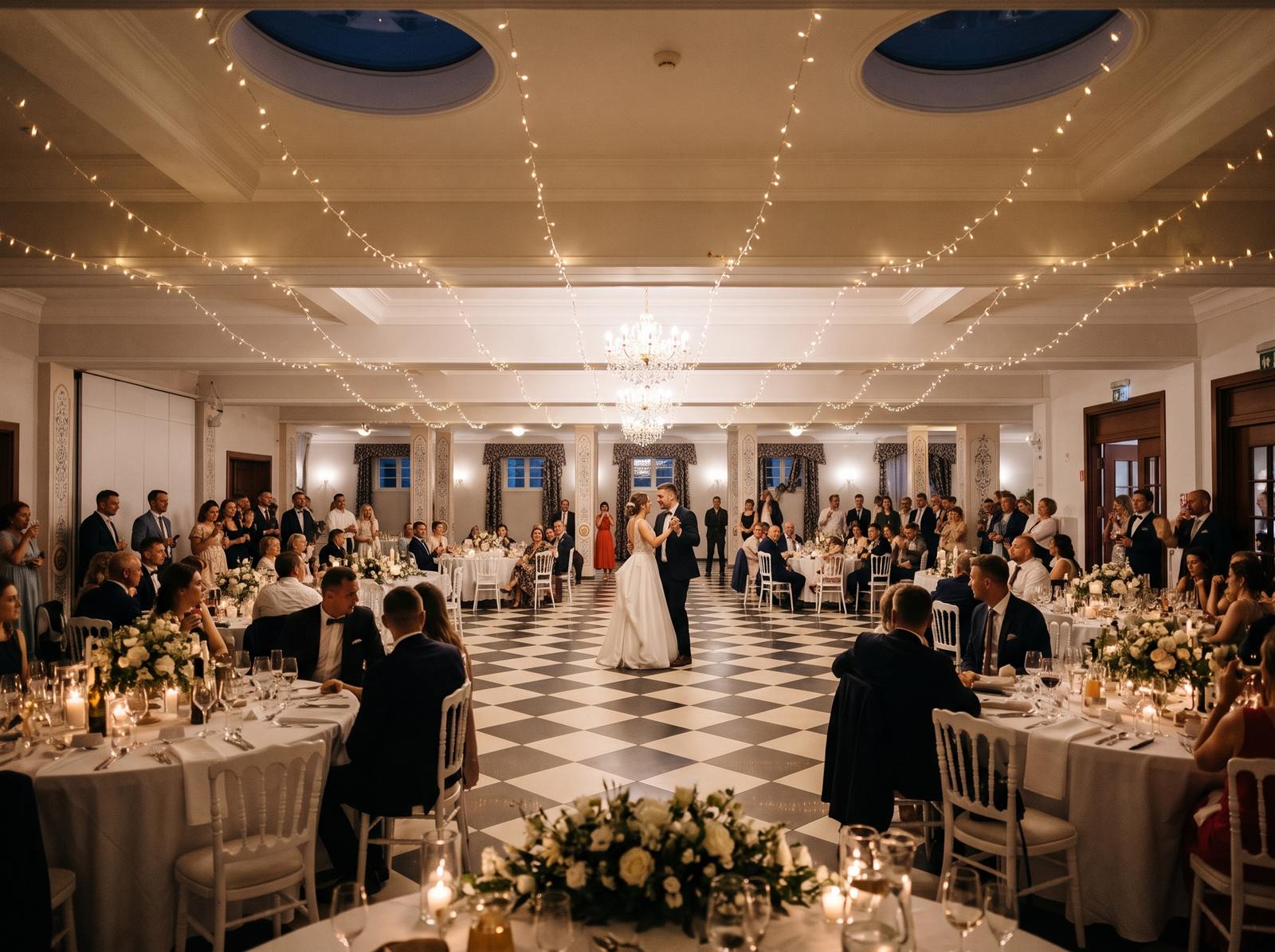
The great hall today, empty and cold Visualisation: the first dance in the great hall, strings of fairy lights and laid tables TodayOn the wedding night
On the wedding night
The great hall for 350 guests. Today: a photograph from June 2026. On the wedding night: a visualisation.

Weddings and receptions

A hall for 350 guests and a park for the photographs

A ceremony by the pond, dinner in the great hall, and accommodation on site for every guest.

A hotel with a history

The palace, the outbuildings and over a hundred rooms

Suites in the palace for special guests, rooms in the czworaki and the granary for larger groups.

Retreats and conferences

Peace and quiet 120 km from Warsaw

Training, workshops and company away days surrounded by parkland, close to the Bug River Landscape Park.

The surroundings

By the old bed of the Bug

Sterdyń lies about 120 km from Warsaw, in unspoilt countryside near the Bug River Landscape Park. The palace park is home to limes, oaks, ashes and maples, some of them protected as natural monuments.

Film: „Pałac Ossolińskich w Sterdyni z lotu ptaka” (The Ossoliński Palace in Sterdyń from above), by Polskazdrona.pl (YouTube).
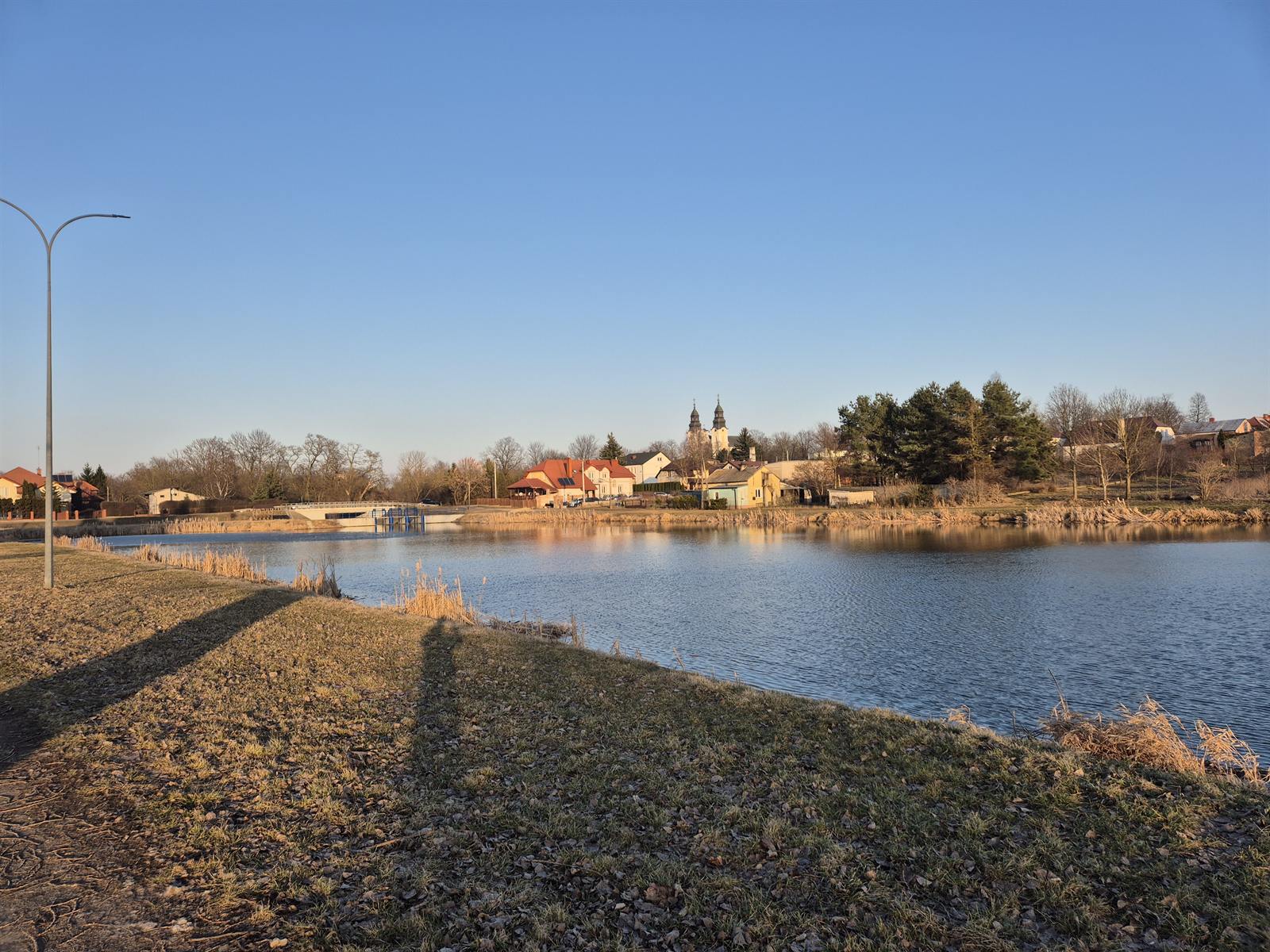
The pond in Sterdyń at sunset, with the church in the background
The pond in Sterdyń, March 2026
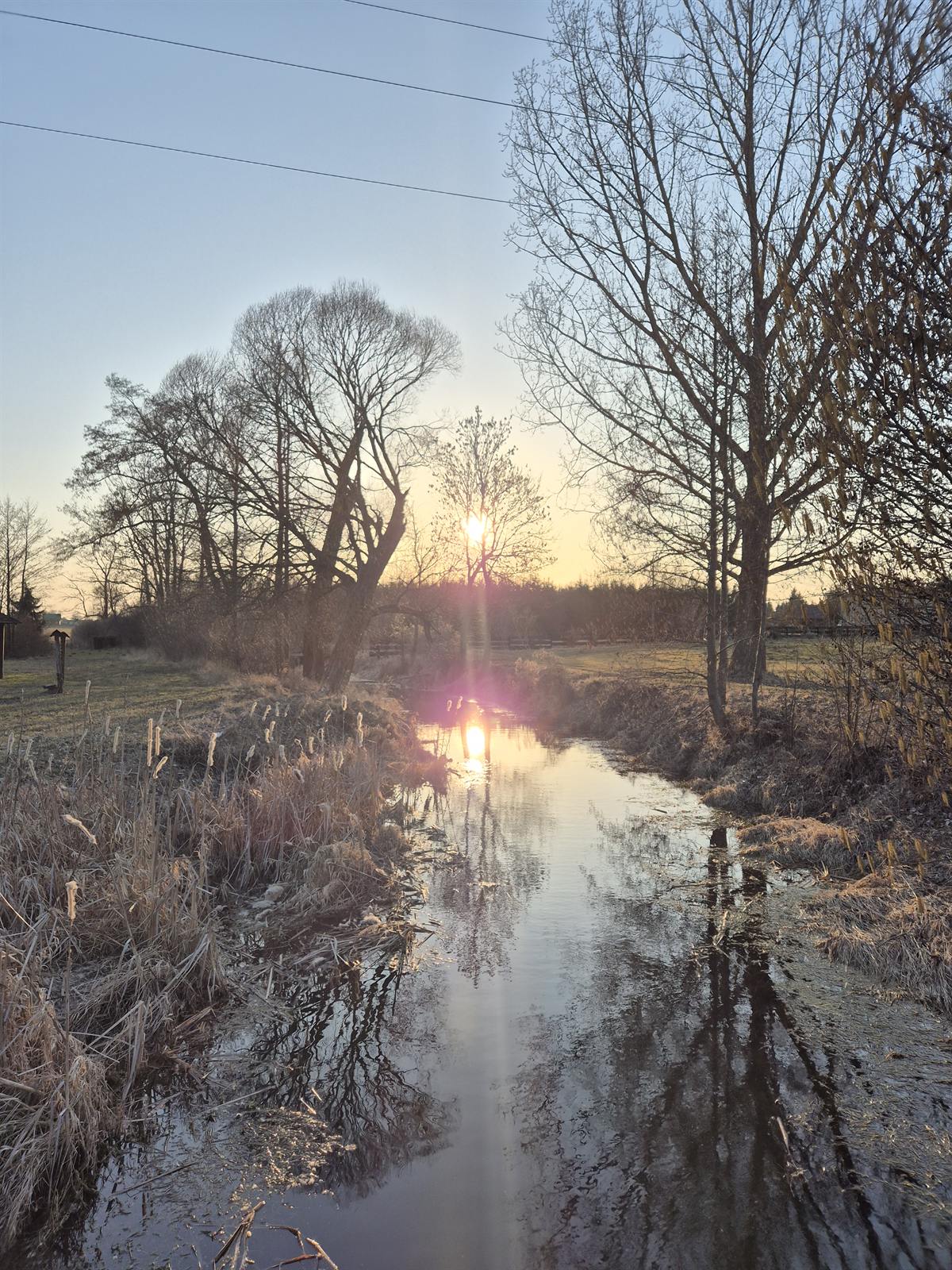
The river in the rays of the setting sun
Sunset over the river

The key to the palace

The palace needs its heart

The hotel in Sterdyń worked as a whole. The palace and outbuildings held the suites and the grand reception rooms. The great hall and most of the rooms were right next door, in the czworaki and the granary.

Bailiff's auction

Palace

The palace, with its outbuildings and park, is being sold by a bailiff at public auction.

First auction: 24 November 2026, 2:30 pm, the District Court in Sokołów Podlaski.

Auction notice on licytacje.komornik.pl →

We are selling

The heart of the hotel

  • The czworaki: a great hall for 350 guests and hotel rooms, 2 785 m²
  • The granary: around 37 rooms in traditional Old Polish style, 1 186 m²
  • The steward's house: the historic steward's house with a large plot

Altogether nearly 4 000 m² and around 100 rooms, on Tartaczna Street, just beyond the wall of the palace park.

Let's talk
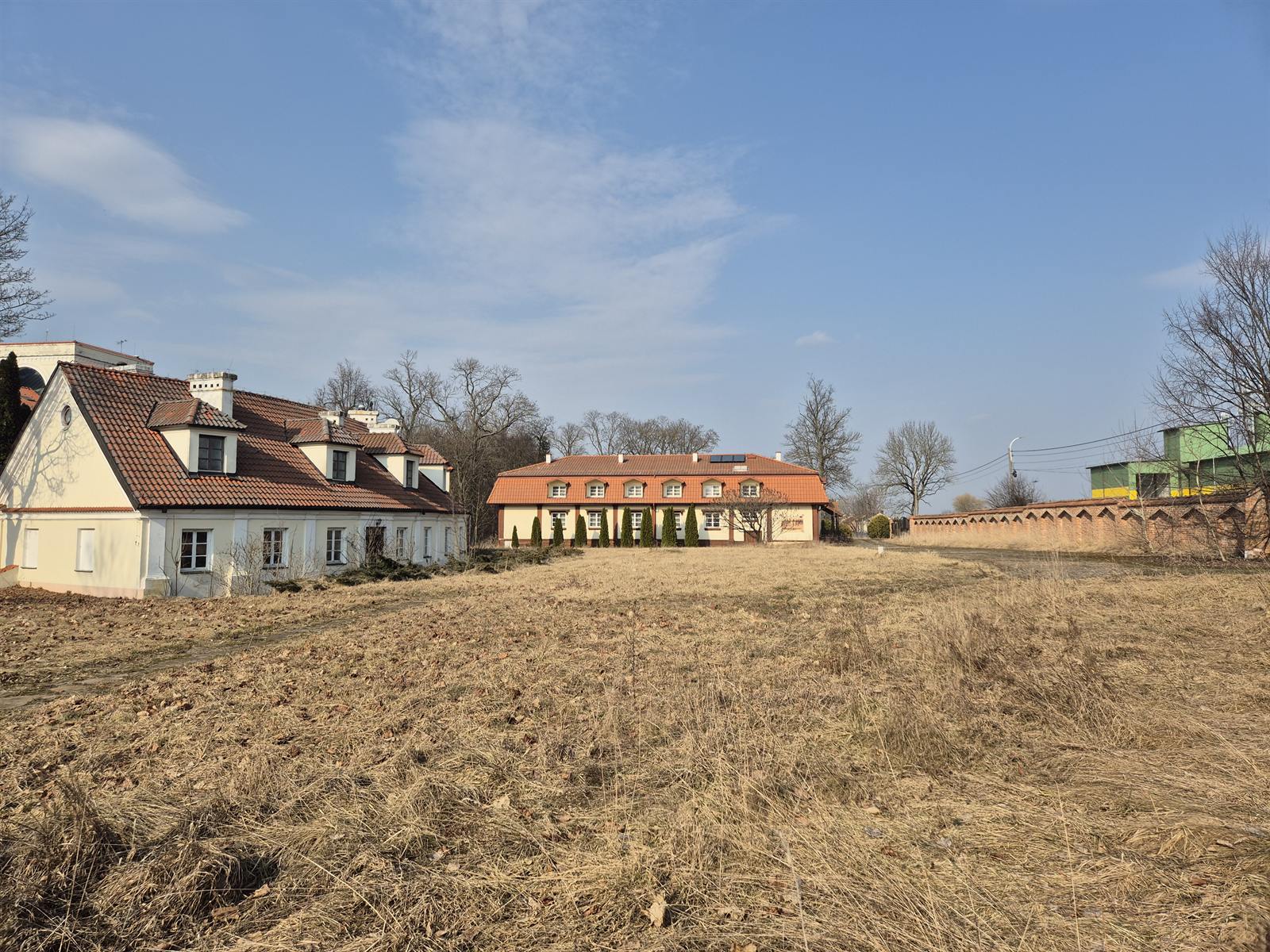
The courtyard with the czworaki and the granary
The farm courtyard, March 2026
A large hall with a chequerboard floor and columns
The great hall
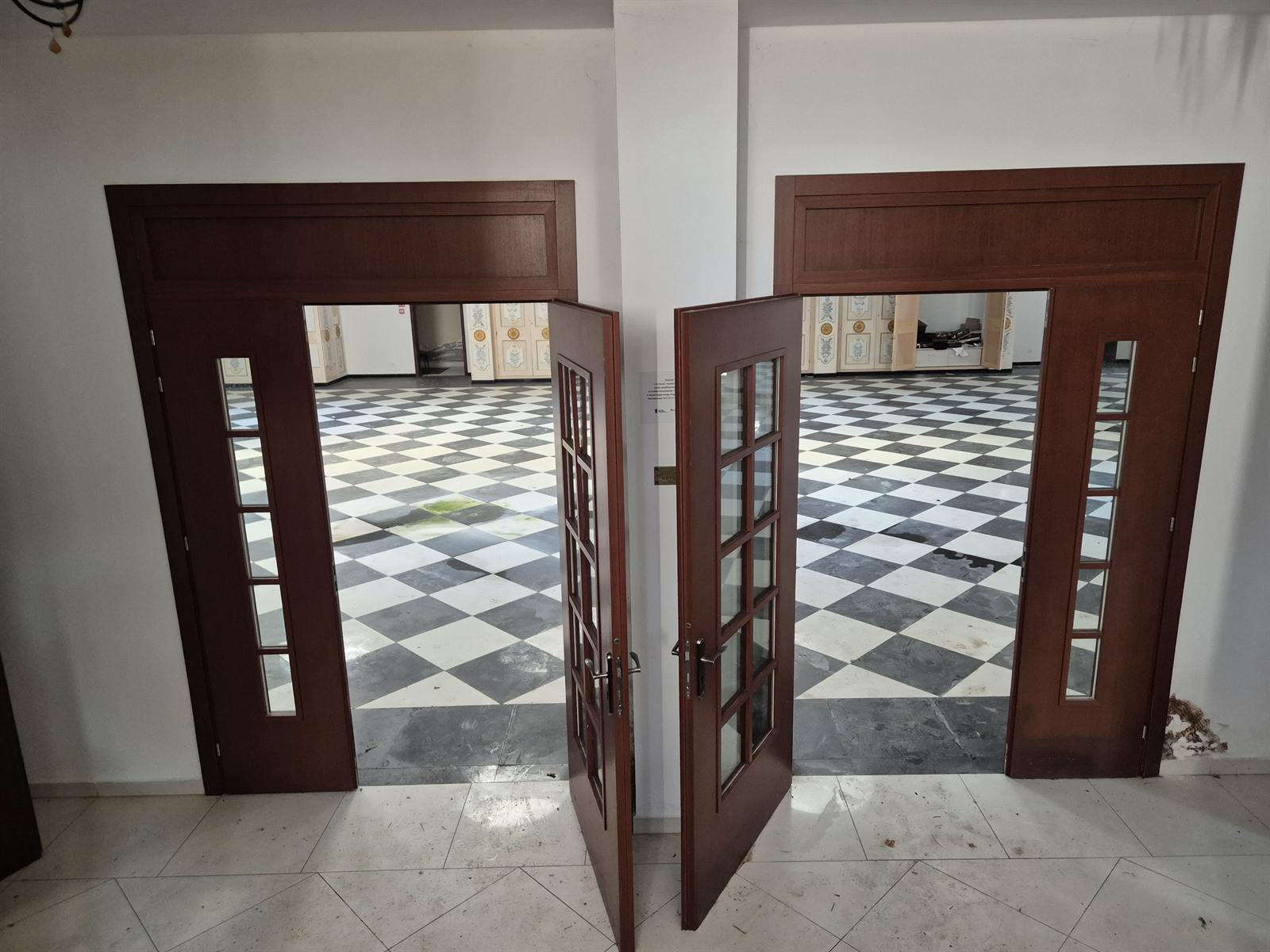
Open doors to a hall with a chequerboard floor
Entrance to the hall
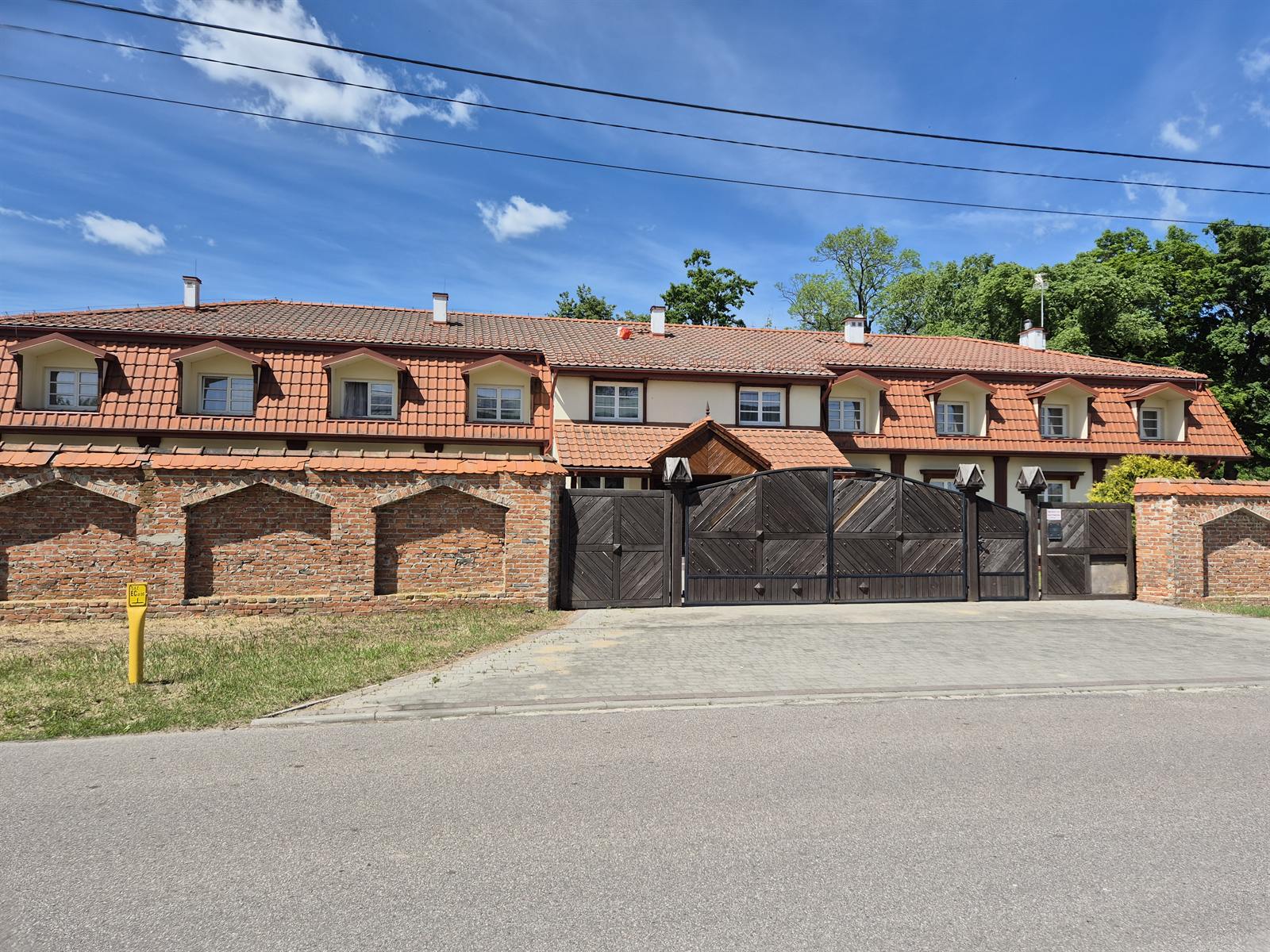
The czworaki from the street, with a brick wall and a gate
The czworaki from Tartaczna Street
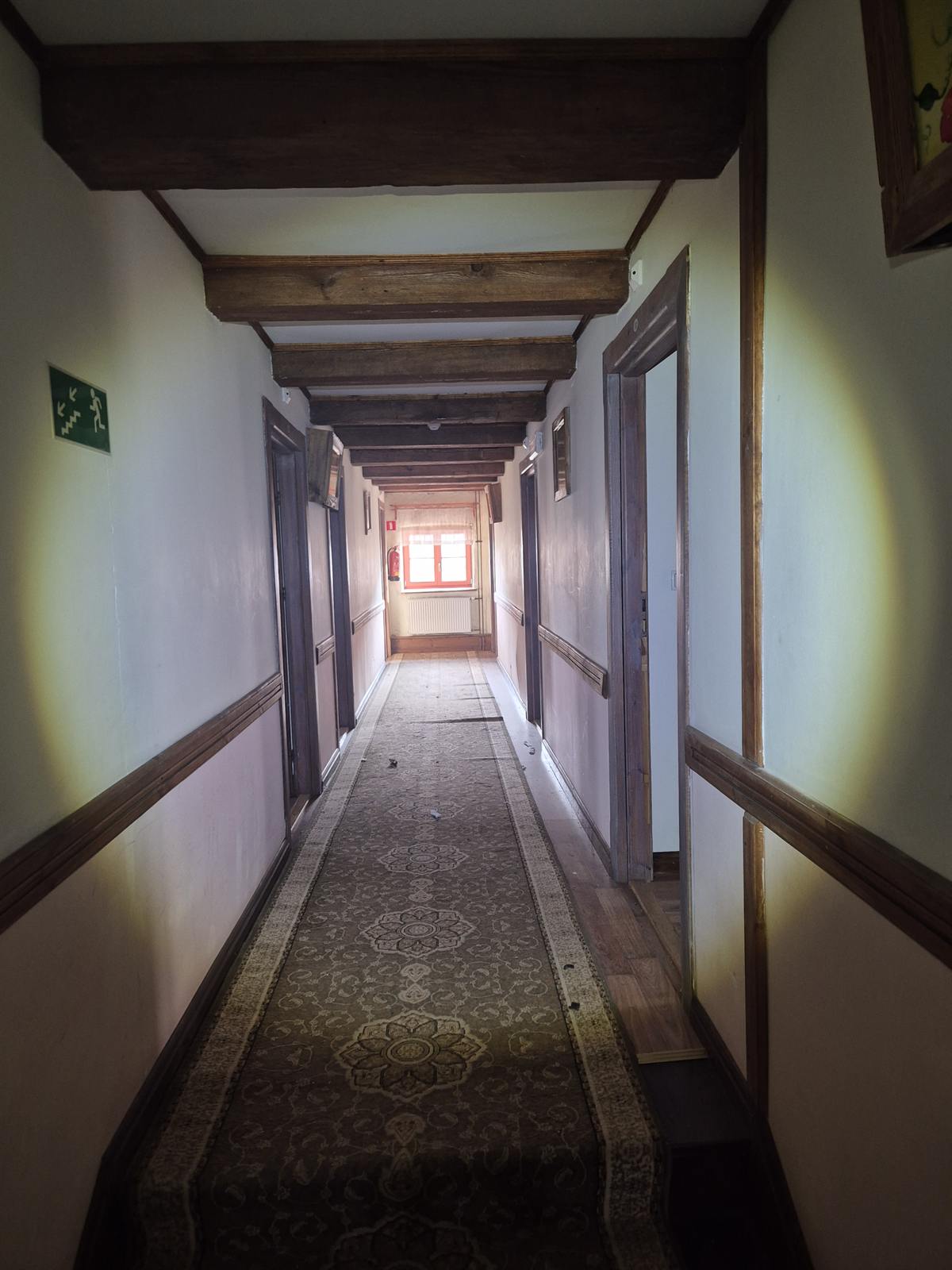
Hotel corridor with wooden beams
Hotel corridor
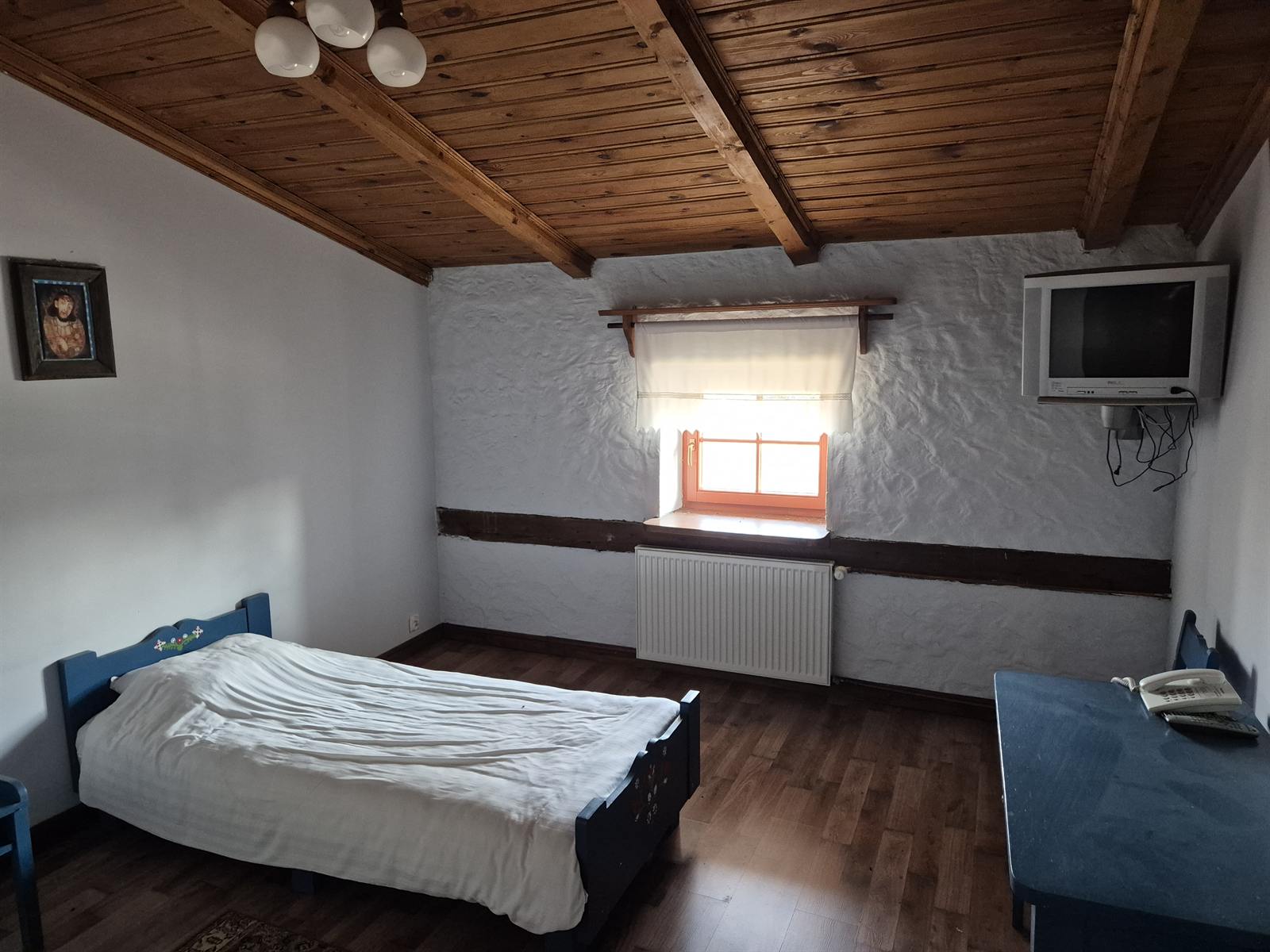
Room with a wooden ceiling
Guest room
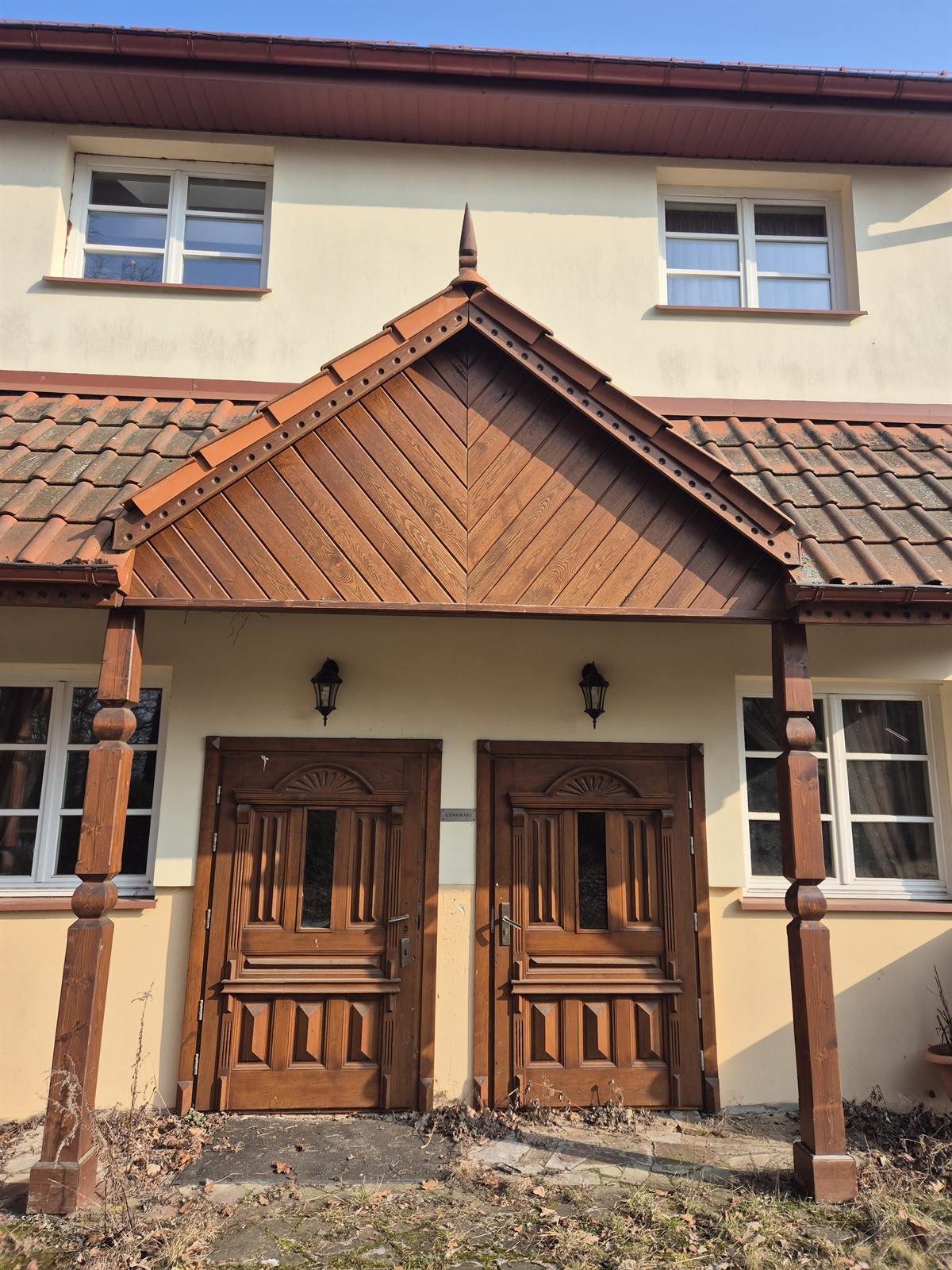
Wooden front door under a canopy
Entrance
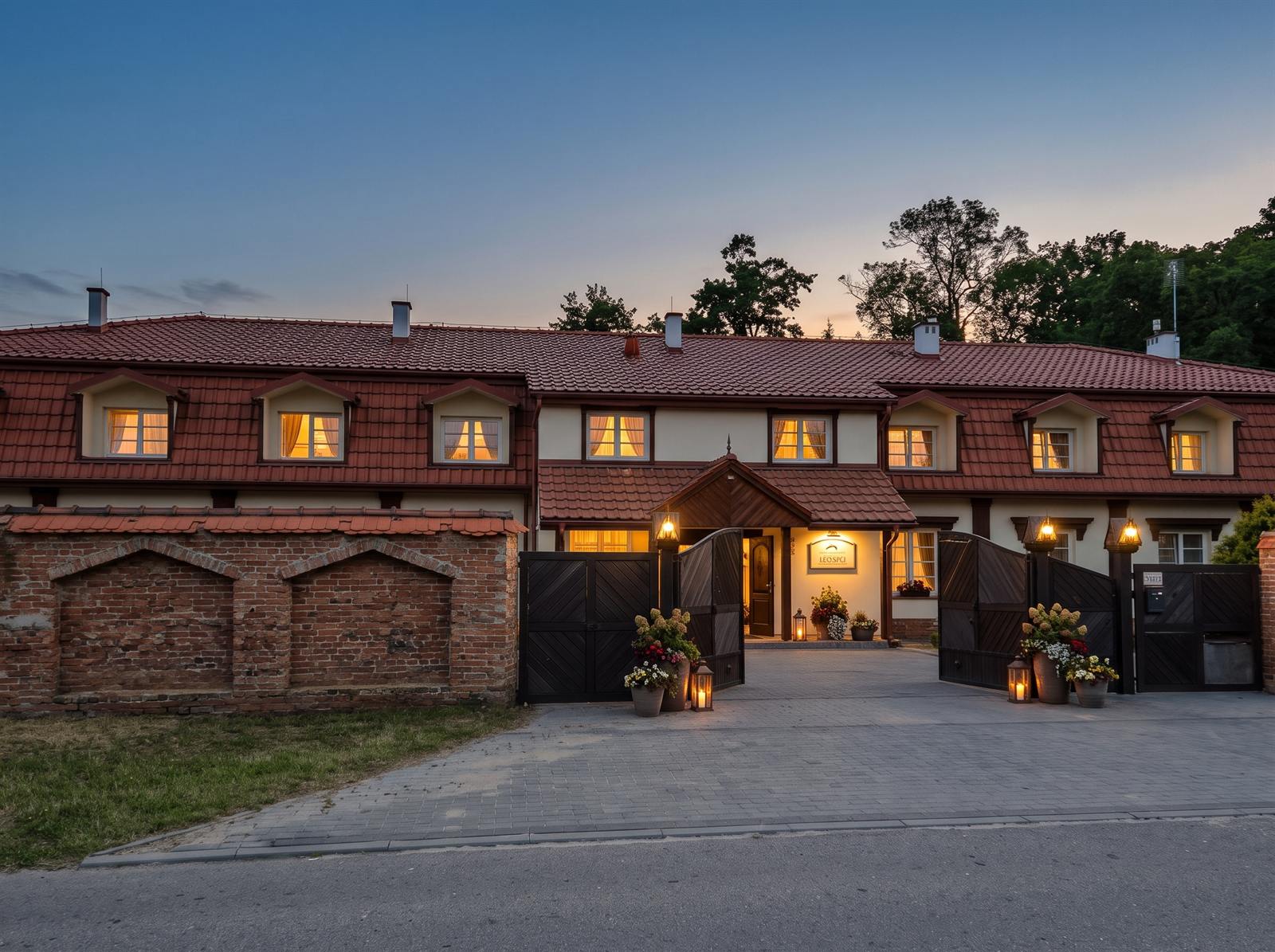
The czworaki after renovation at dusk, with lit windows and an open gate
visualisation · the czworaki after renovation
A summer reception in the courtyard, a long table beneath strings of festoon lights
visualisation · the courtyard in summer
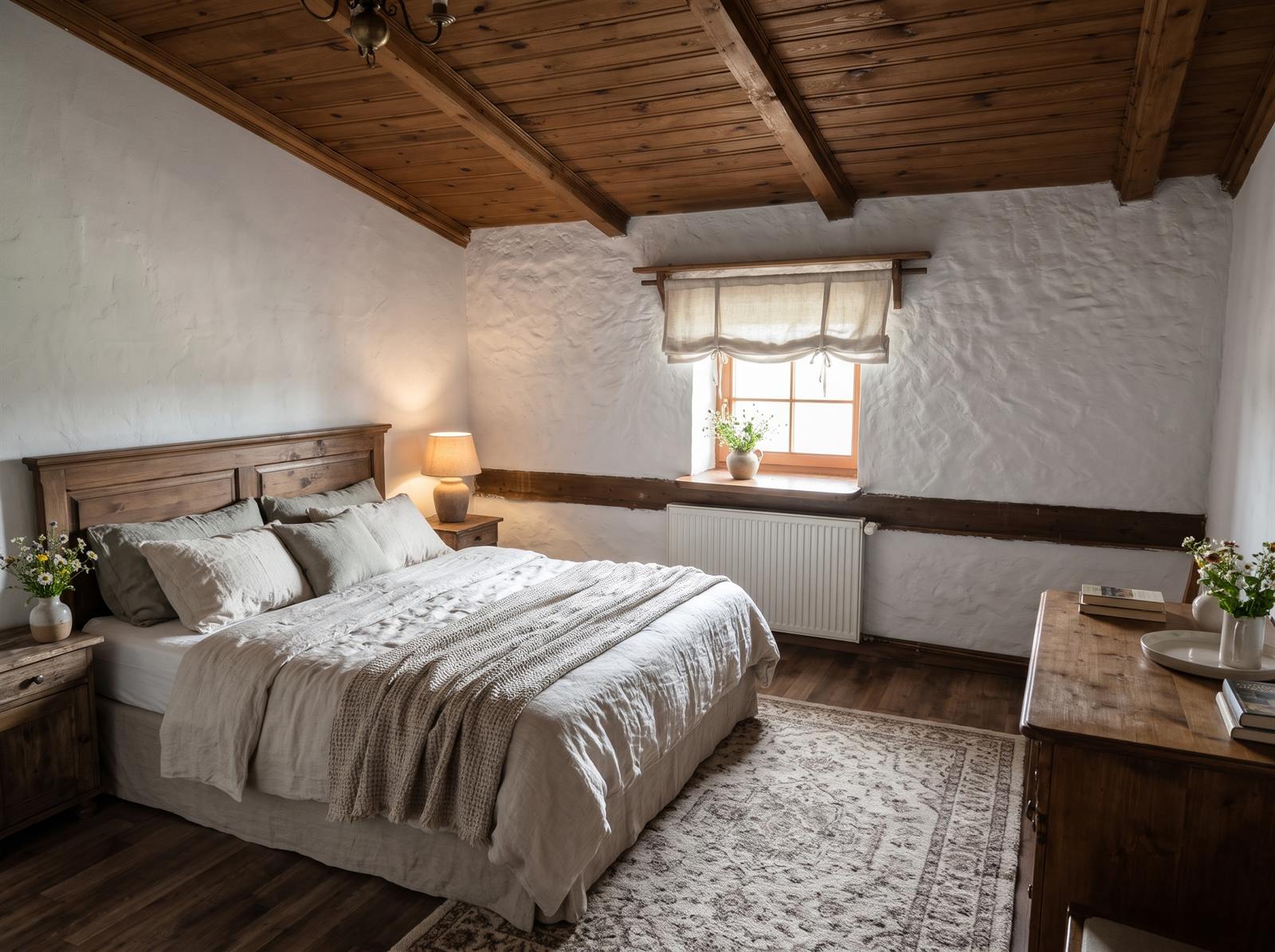
A restored guest room with a wooden ceiling and linen bedding
visualisation · a room after restoration

Contact

Would you like to wake the palace?

Ask about the czworaki, the granary and the steward's house, arrange a viewing, or share your own story of the palace.

Contact personKornel Rakowski

The legend of the Sleeping Palace

Emilia's Ring

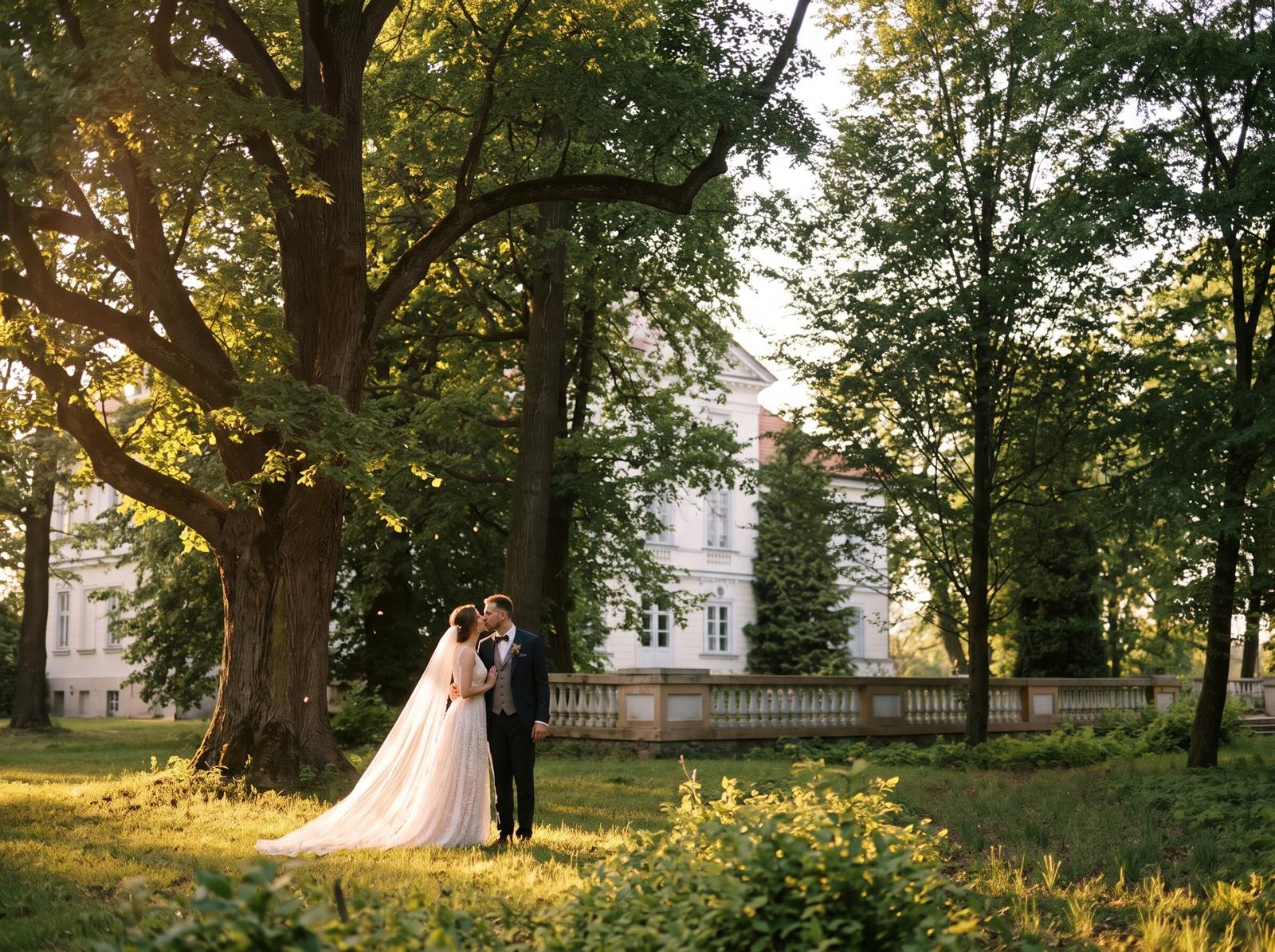
A bride and groom kissing beneath an old tree in the park, the palace behind them in the golden-hour light
visualisation

In 1809 there was a wedding: Emilia Ossolińska was marrying Józef Wawrzyniec Krasiński. The halls smelt of wax and flowers, and music played in the park late into the night.

For a bride, a wedding is also a farewell. Emilia knew that after the wedding she would leave and begin her life somewhere else. Towards dawn, while the guests were still dancing, she slipped out into the park, to the oldest lime tree by the pond. She took a small ring from her finger, not her wedding ring but her very own, from her childhood. She buried it among the roots and made a wish:

‘May every couple who one day celebrates here love each other as we do today.’

In the morning Emilia left as Madame Krasińska. No one ever found the ring. The lime tree grew and spread its roots, and the palace went on to see many weddings. Newly-weds would wander to the tree by the pond, not always knowing why. It was simply the most beautiful spot.

They say Emilia's wish still holds: those who kiss beneath her lime tree on their wedding day will stay together to the end. Now the palace sleeps, and for several years no bride and groom have stood beneath the lime. The ring is still waiting among the roots for a wedding to fill the park with music once more.

Help wake it up

Every palace wakes when someone tells its story.

Send this page to someone who loves old houses, organises weddings or is looking for a place with a history.